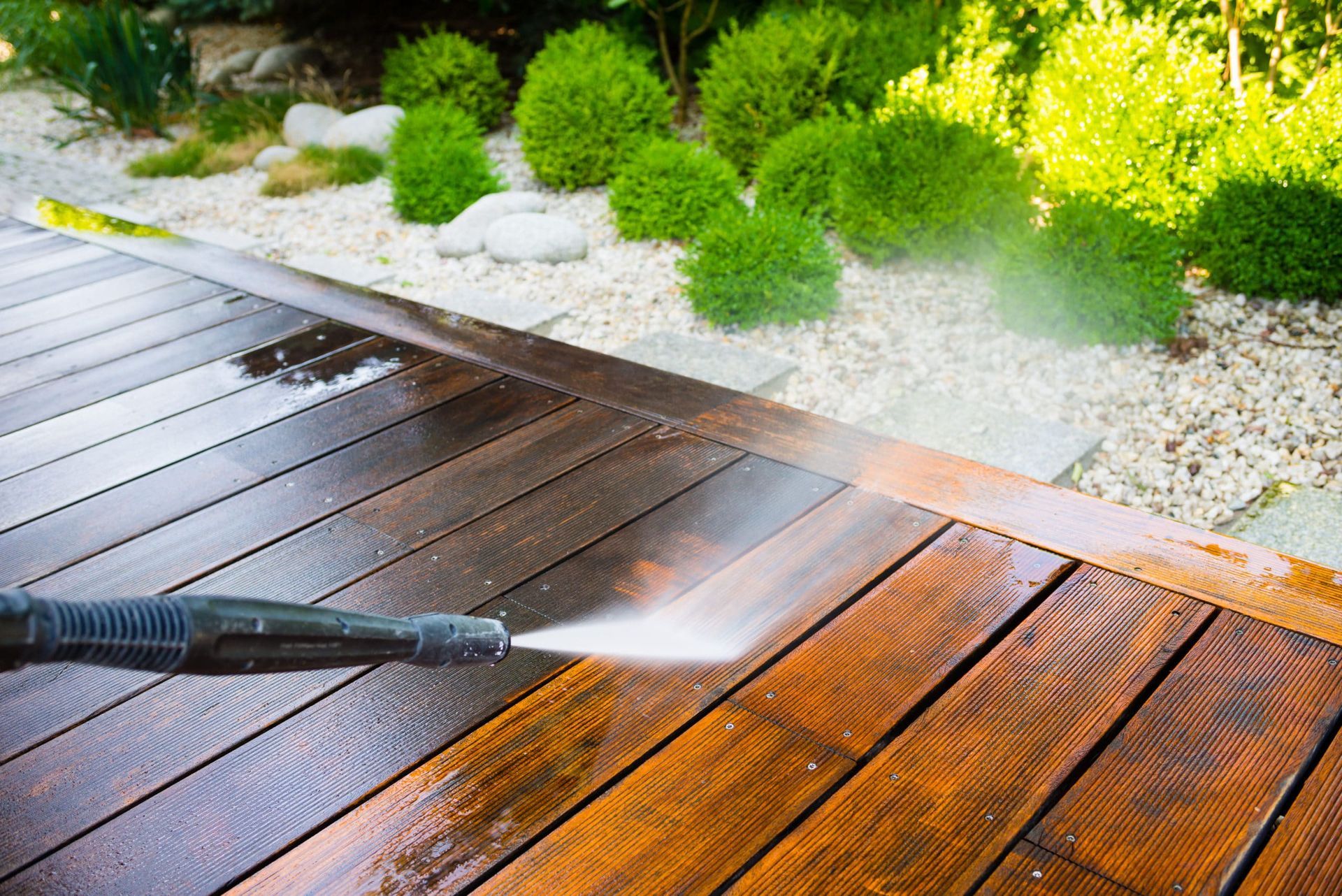
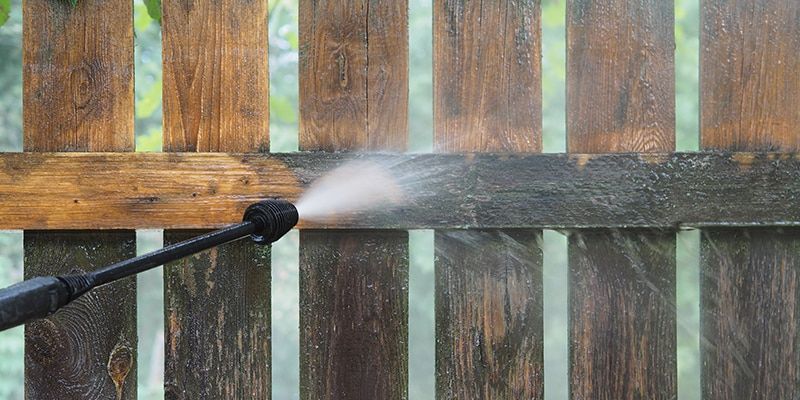
Your siding material matters a lot here. Wood siding is the most sensitive — it can absorb moisture and is prone to mildew, so you want to stay on top of it, but you also can't blast it with too much pressure or you'll damage the grain and push water behind the boards. Vinyl is more forgiving and tolerates a good cleaning well. Brick and stucco need care around mortar joints and surface texture. If you have painted surfaces, aggressive pressure washing can strip paint, especially if it's already beginning to peel.
Climate plays a huge role too. If you're in a humid region — the Southeast, Pacific Northwest, anywhere with long rainy seasons — algae and mildew grow faster than they do in drier climates. A house in coastal Georgia or western Oregon probably needs washing more often than one in Phoenix or Denver. And if you live near a busy road, airborne dust and exhaust residue accumulate faster than you'd think, even if you can't always see it.
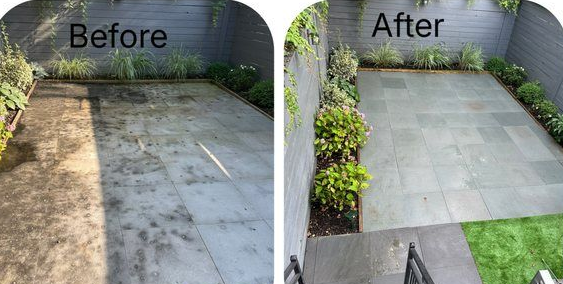
Here's what most people get wrong about how often to pressure wash a house: they wait until it looks dirty. By that point, you've usually got biological growth — mold, algae, mildew — that's been sitting long enough to start doing real work on your siding or paint. The smarter move is to do a walk-around inspection once or twice a year. Look for green or black streaking, especially on north-facing walls and under eaves where things stay damp. That's your actual signal to wash, not a calendar date.
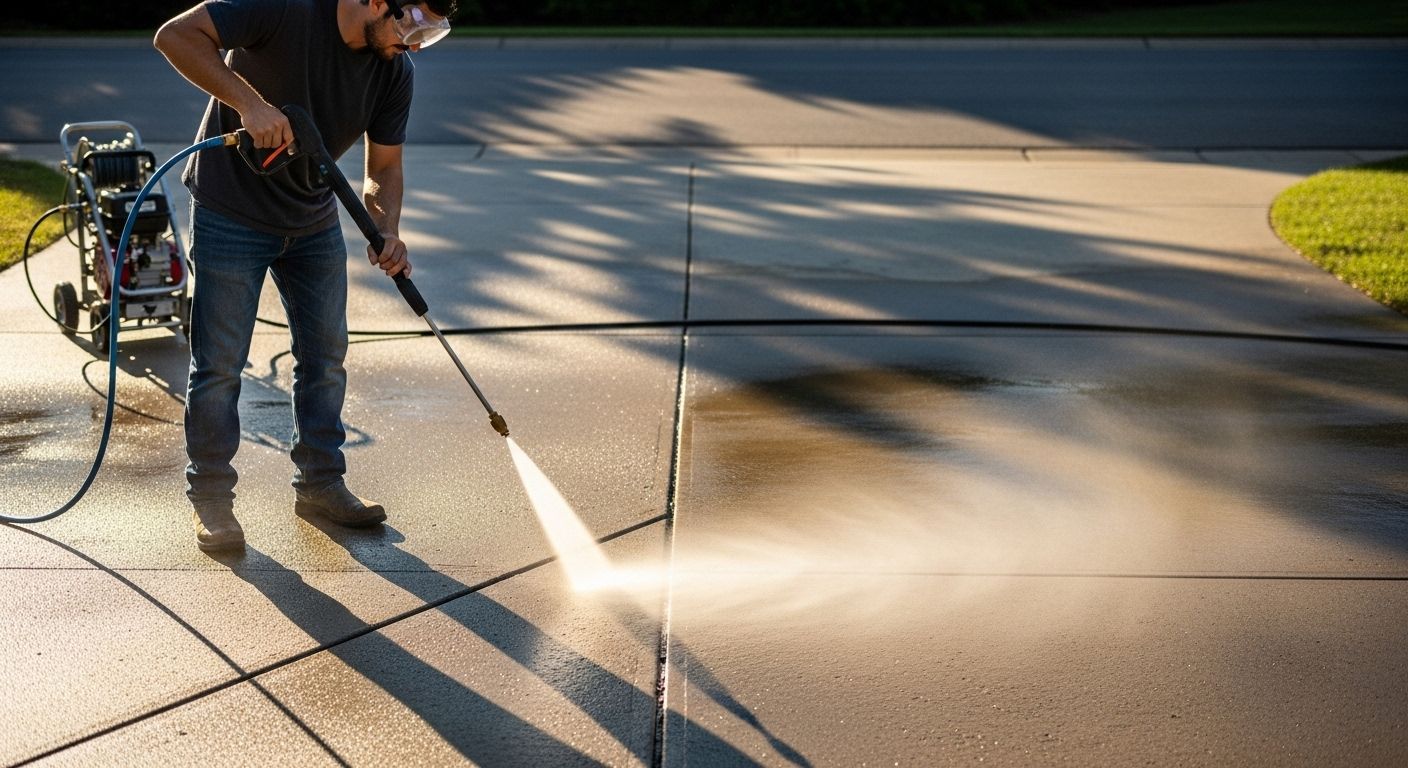
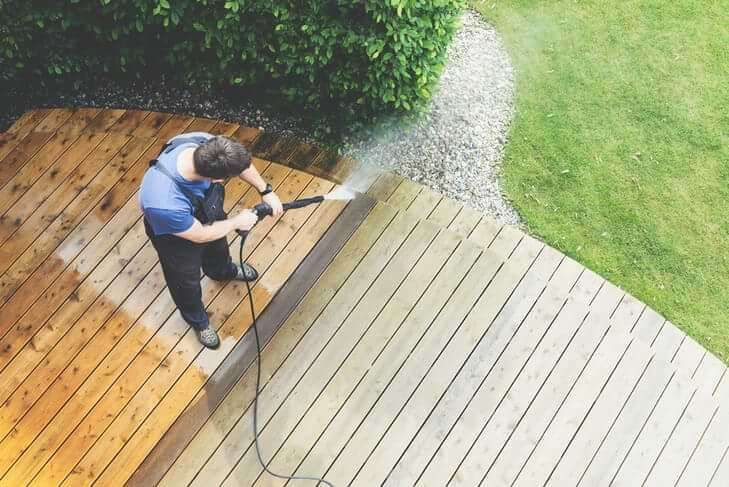
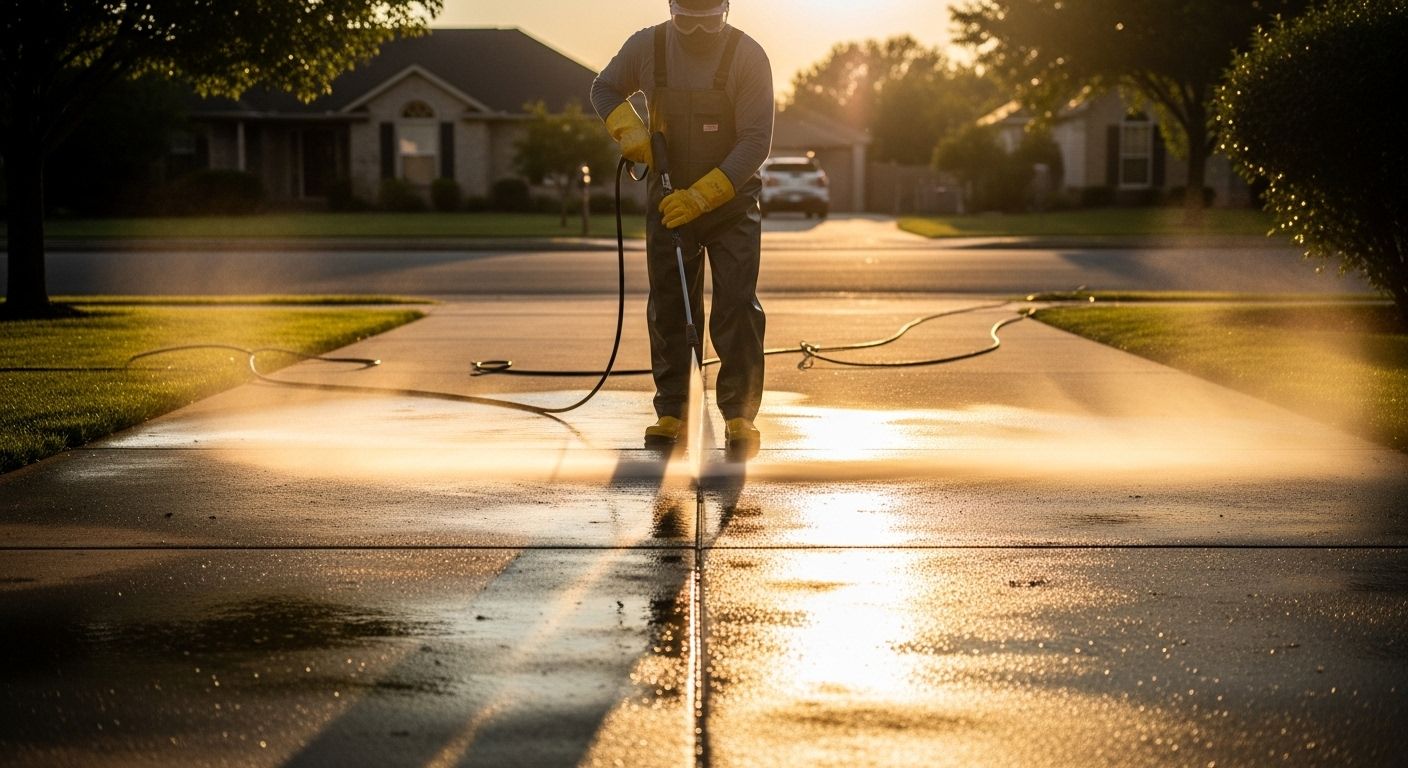
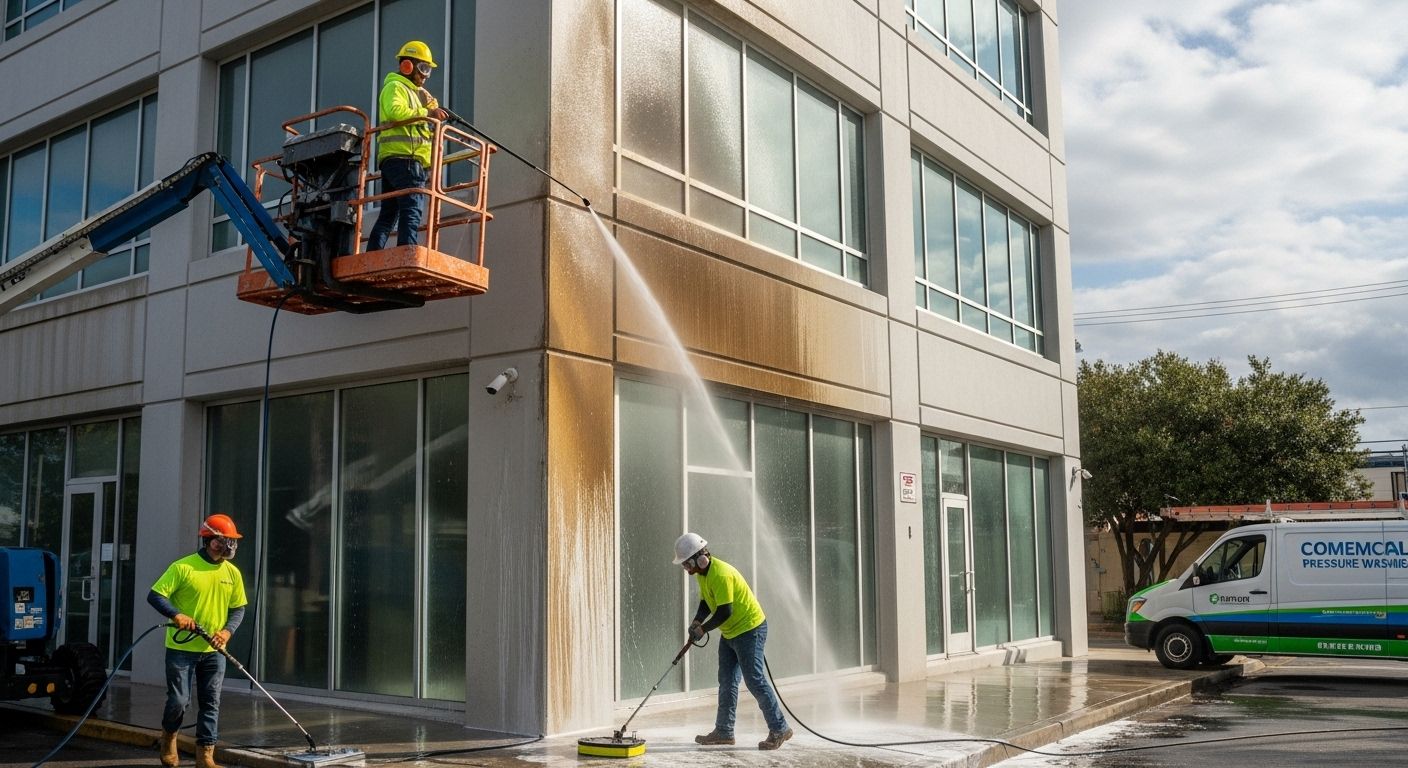
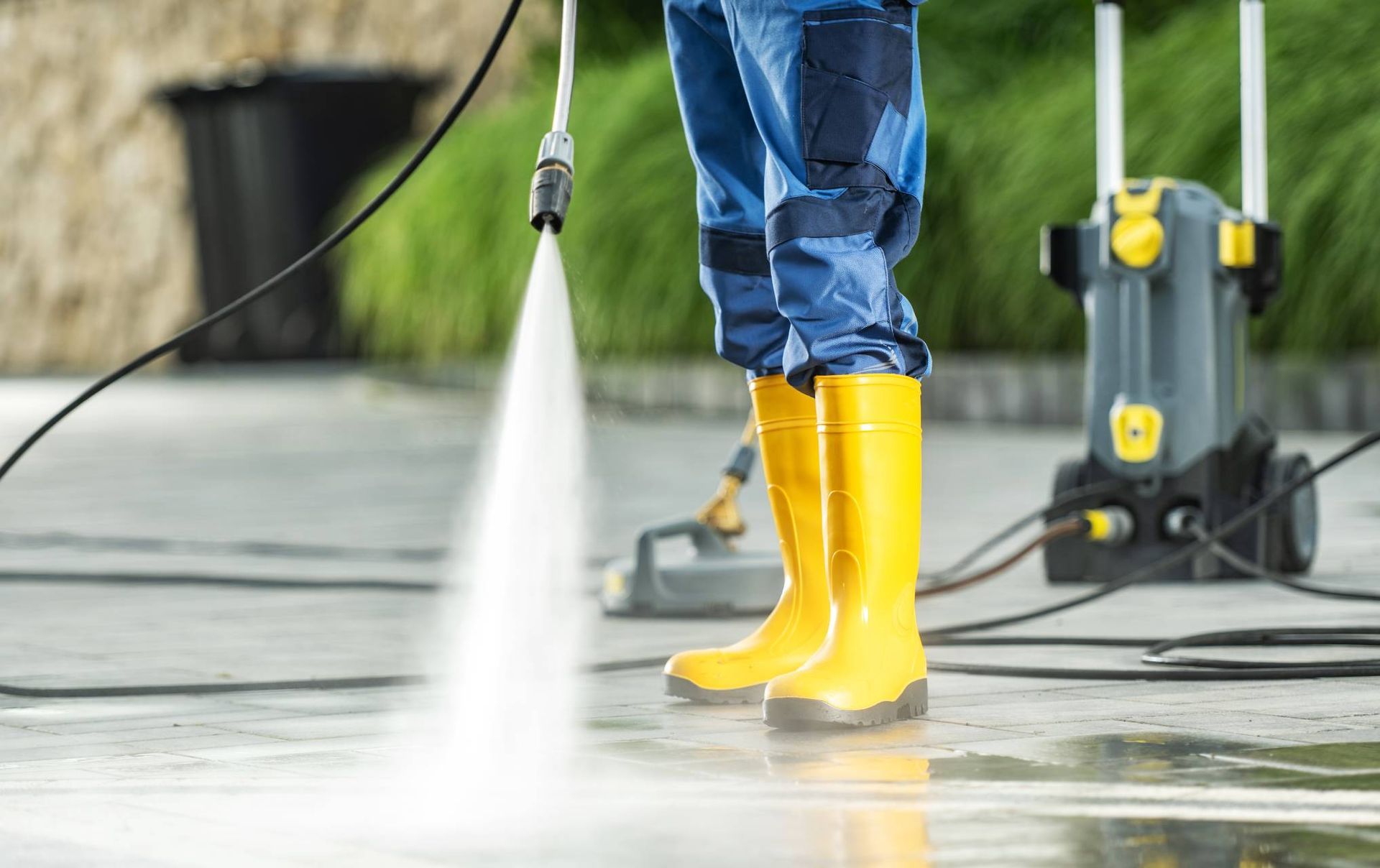
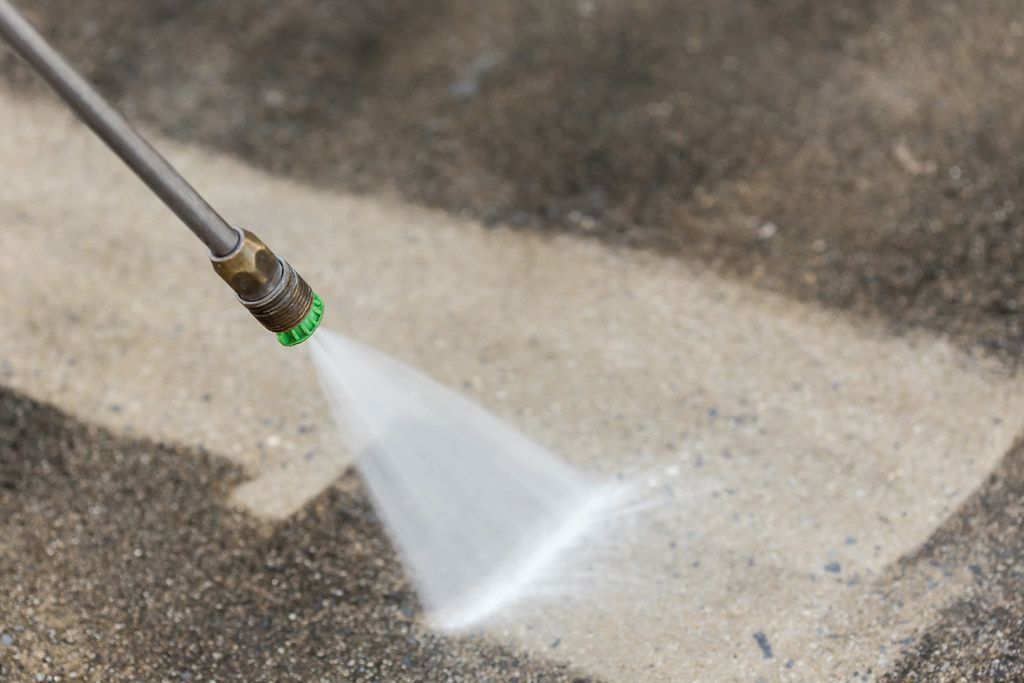
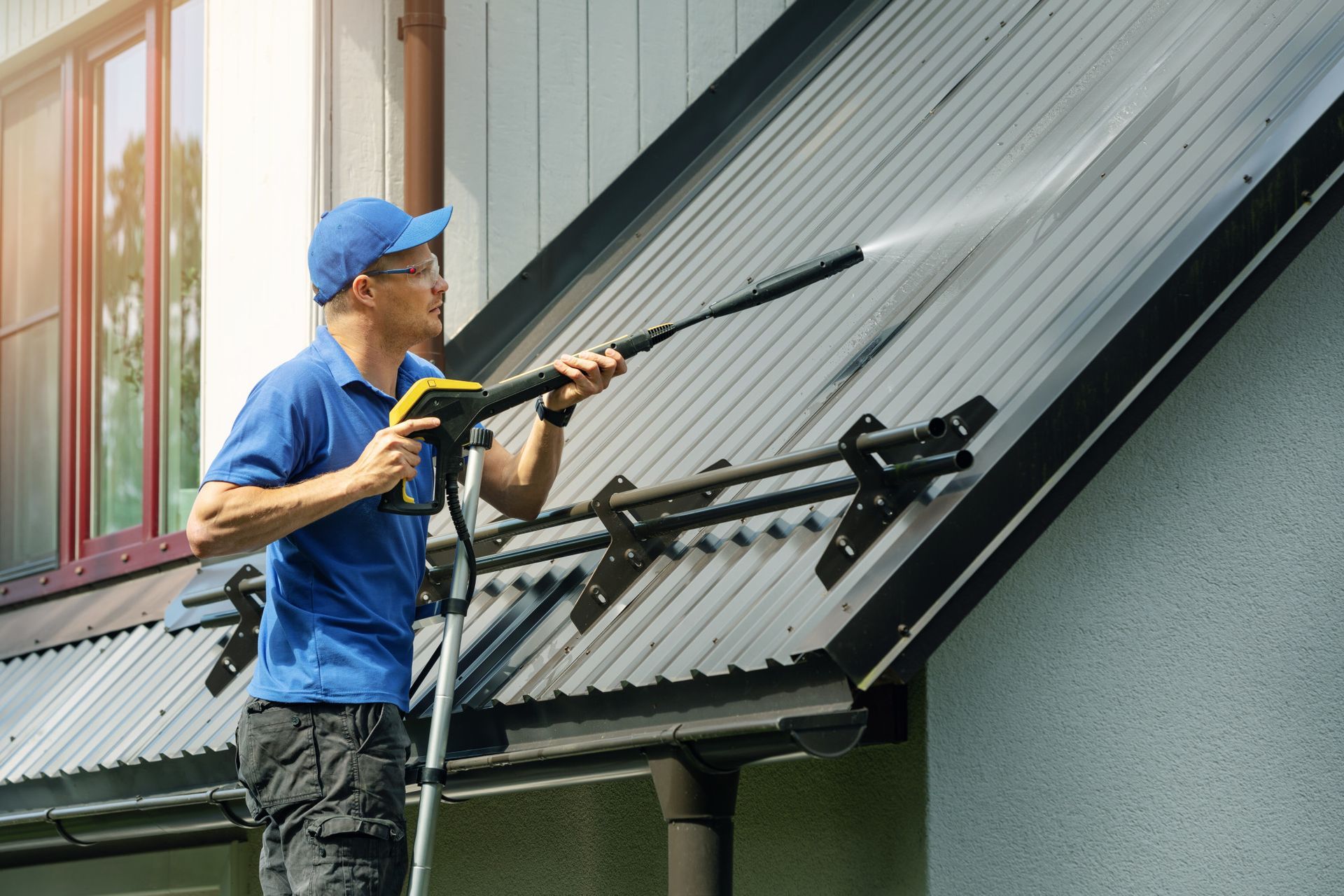
If you're doing it yourself, a standard electric pressure washer is fine for light maintenance. For tougher buildup or larger homes, a gas-powered unit with the right nozzle gives you more control. Always use a wide-angle nozzle on siding — the narrow "pencil jet" tips are for stripping paint or blasting concrete, not washing a house. Work top to bottom, let a cleaning solution (something with a mildewcide if you're dealing with algae) do the heavy lifting before you rinse, and you'll get much better results with less pressure.
Professional washing services typically run $150–$400 for an average-sized house, and for most people, hiring it out once a year makes more sense than buying and storing equipment you only use twice. If you go pro, ask what they're using — a reputable company will use the right pressure settings for your siding type rather than defaulting to high pressure across the board.