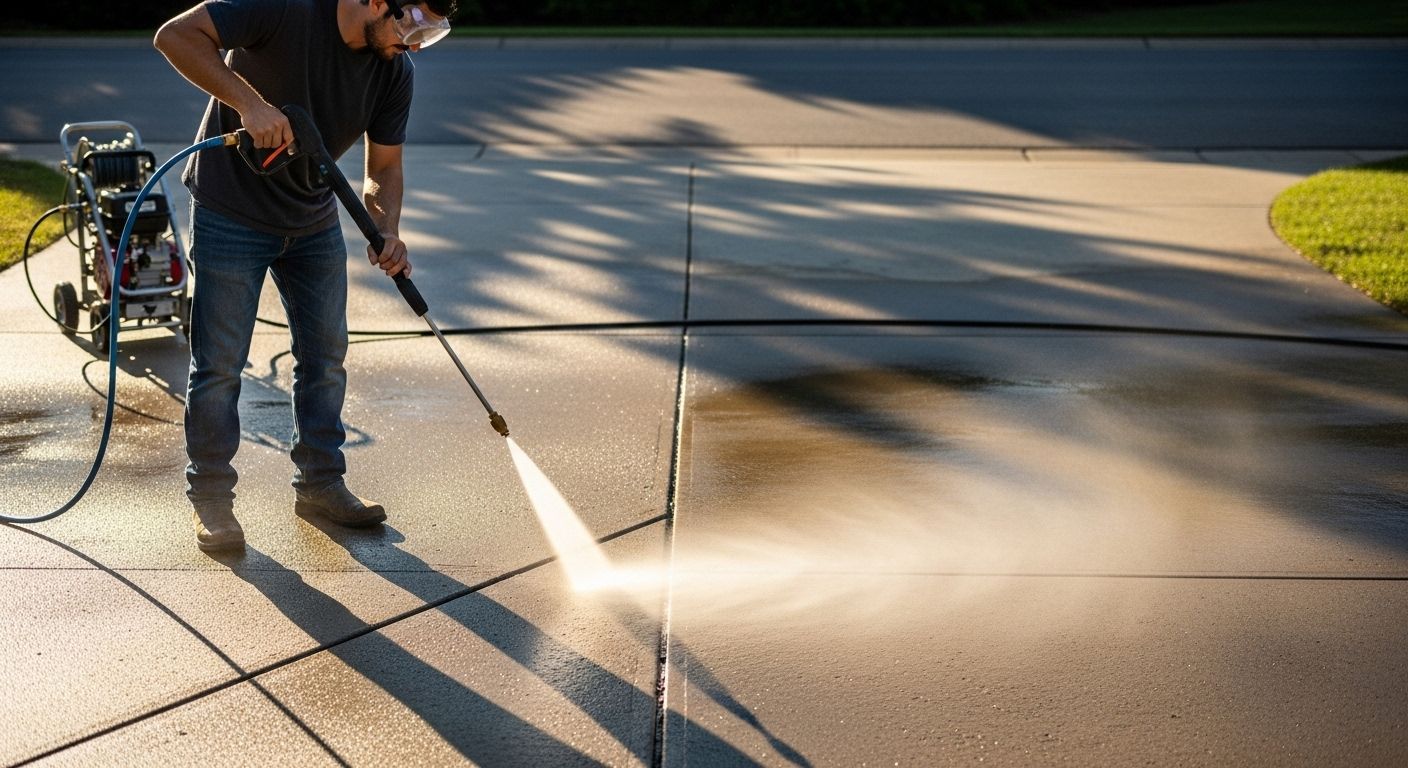
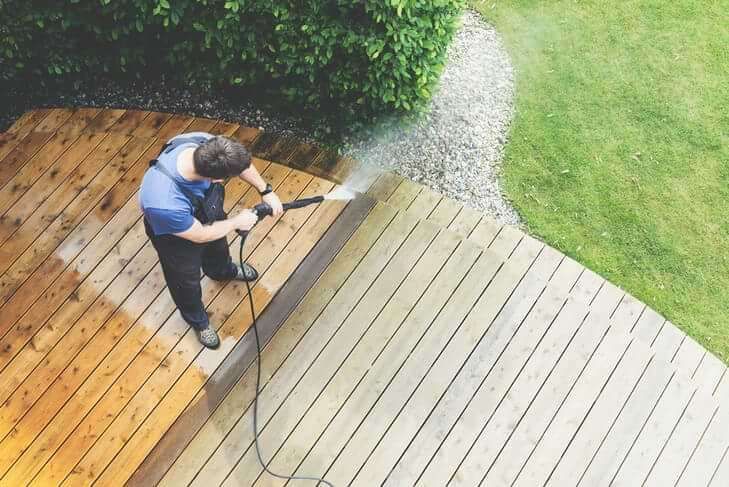
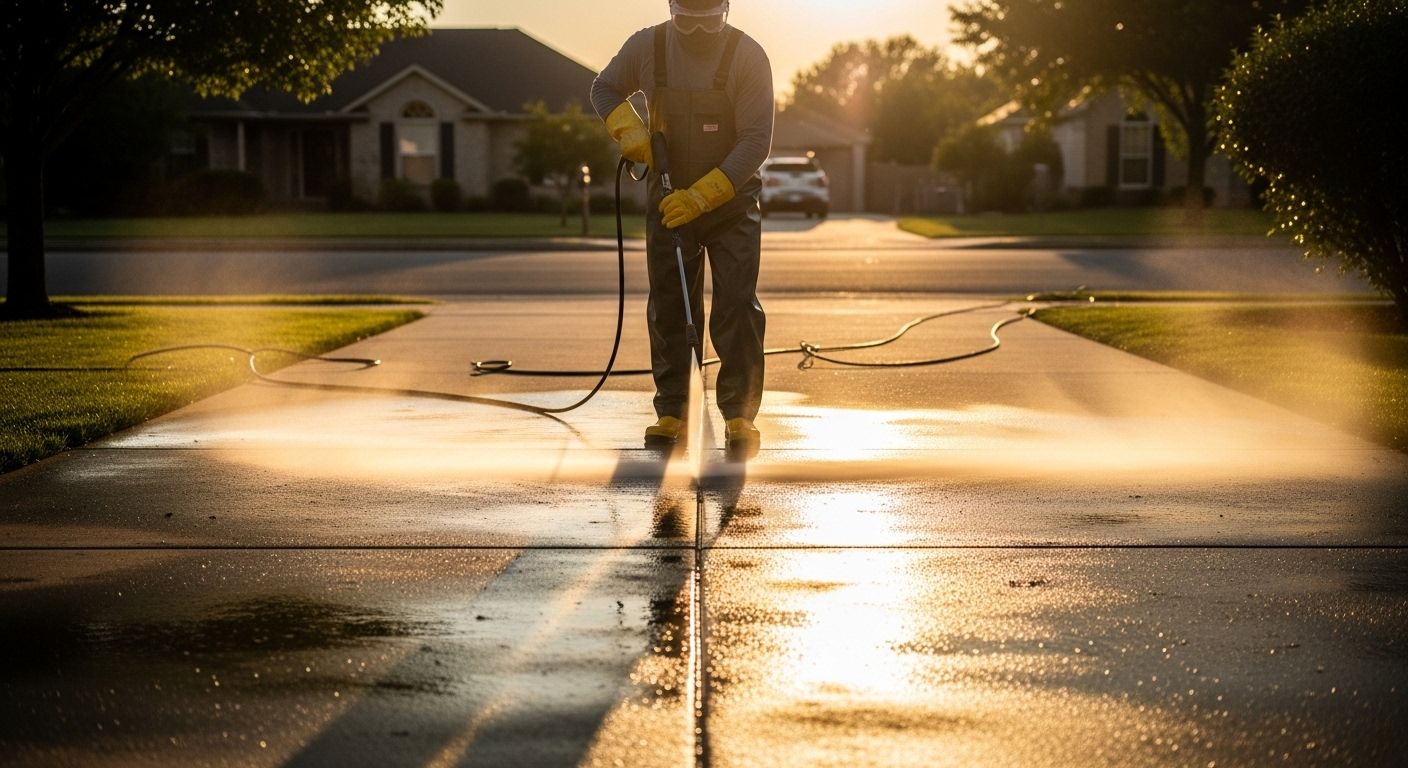
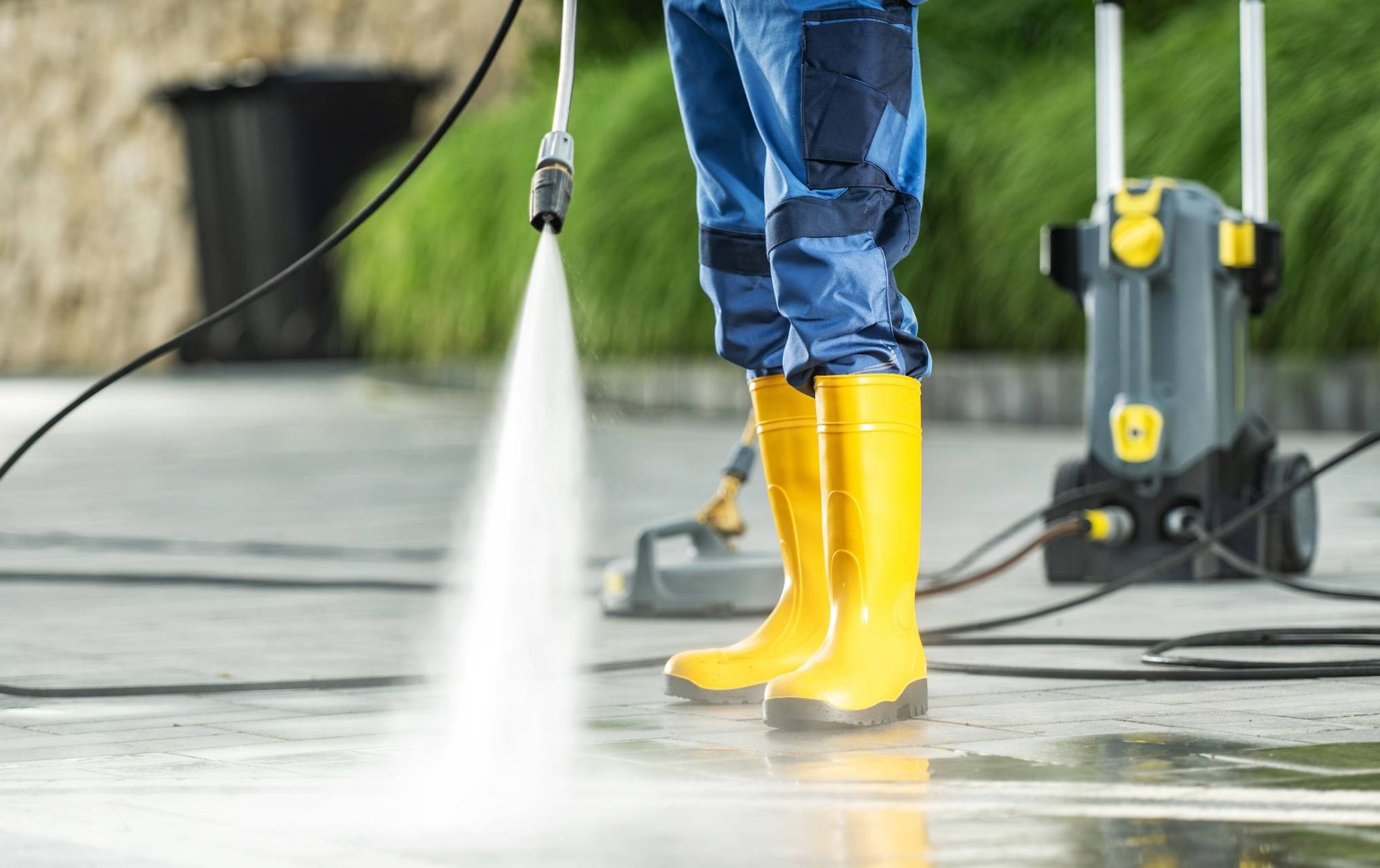
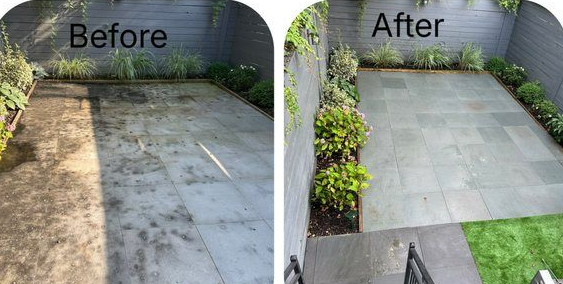
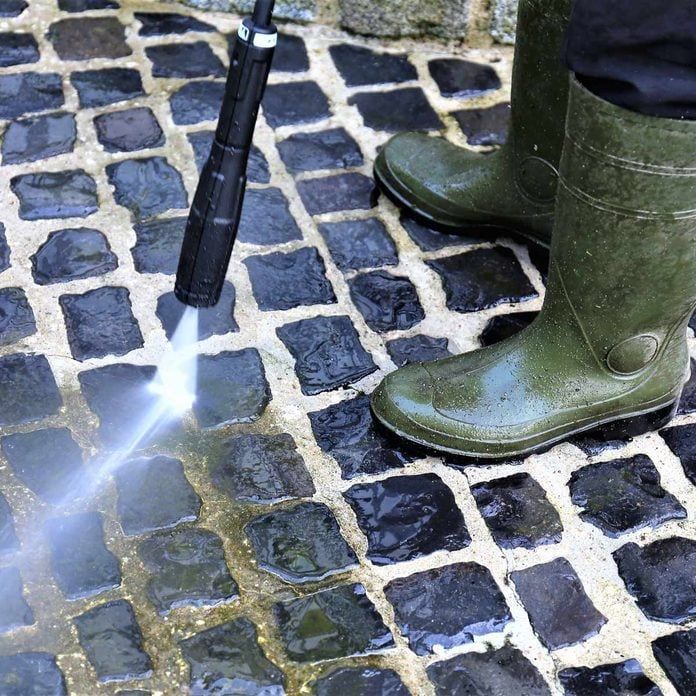
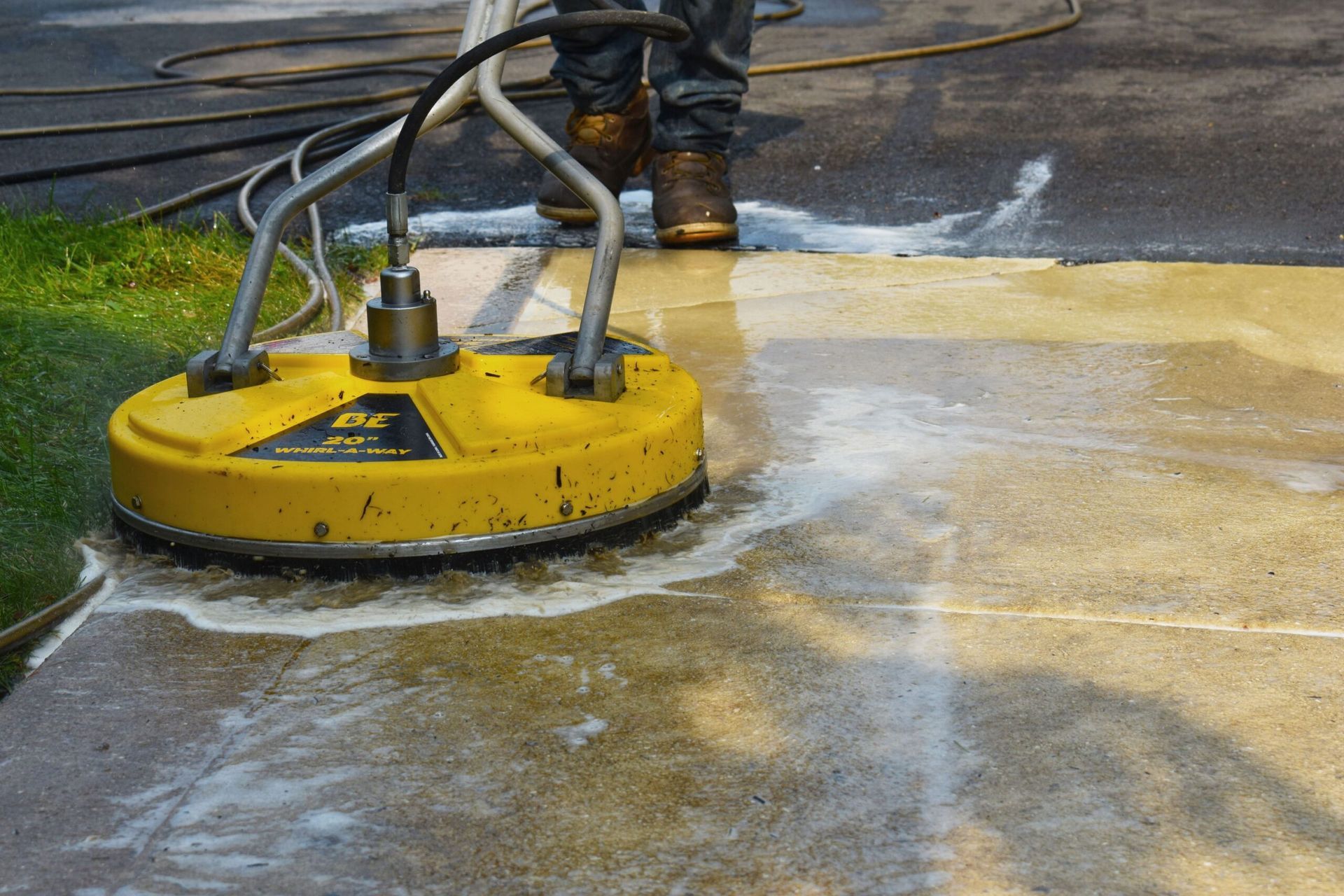
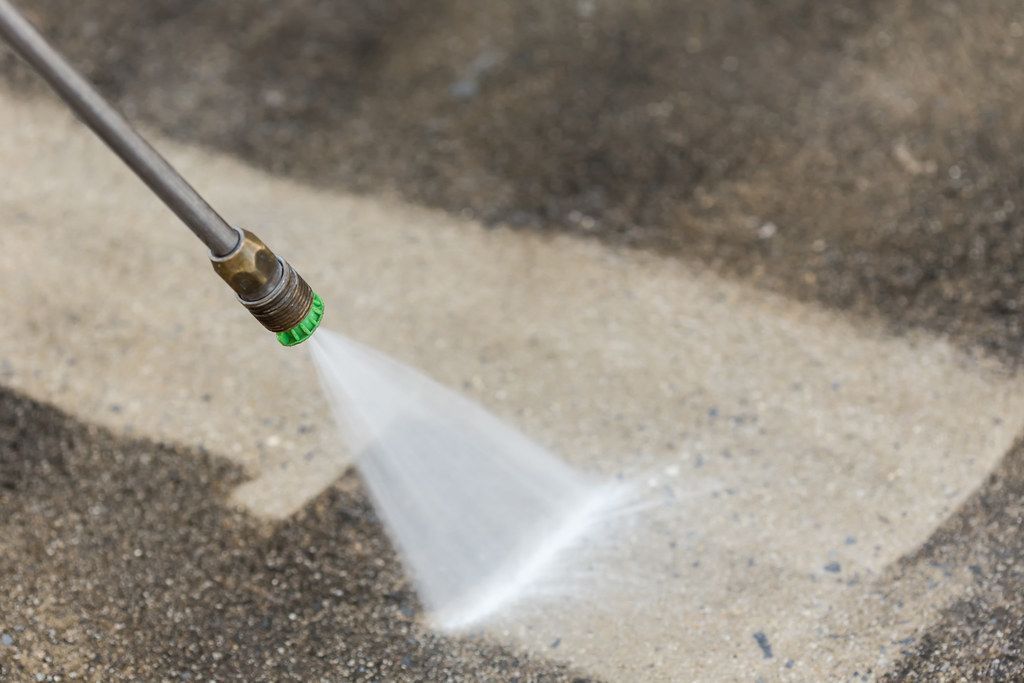
Pressure washing is exactly what it sounds like: high-pressure water — typically 1,500 to 3,000 PSI or more — used to blast dirt, grime, and debris off a surface. The cleaning mechanism is mostly mechanical. The force of the water does the work. That makes it highly effective on hard, durable surfaces that can handle the impact: concrete driveways, brick pavers, stone walkways, and concrete block. When someone pressure washes a driveway and it looks dramatically cleaner, they're watching mechanical force dislodge years of embedded dirt, oil stains, and surface contaminants. For those surfaces, it's the right tool.
Pressure Washing vs Soft Washing: What's the Difference and Which Do You Need?
Most people use "pressure washing" as a catch-all term for any exterior cleaning that involves a hose and a machine, but pressure washing and soft washing are genuinely different approaches that work better on different surfaces and for different types of dirt. Getting this wrong doesn't just mean a mediocre clean — it can mean damaged siding, stripped paint, or a house that looks clean for three weeks before the algae comes back thicker than before.
Pressure Washing vs. Soft Washing: Which One Does Your House Actually Need?
Get a Free Quote
Contact Us
Cambridge Pressure Wash
Soft washing uses significantly lower pressure — typically 100 to 500 PSI, which is closer to a garden hose than a pressure washer — and shifts the cleaning work to chemistry rather than force. A soft washing system applies a cleaning solution, usually a sodium hypochlorite-based mix with surfactants and sometimes other agents, that kills biological growth at the root level rather than blasting it off the surface. The solution dwells on the surface, does its work, and then gets rinsed away at low pressure. The difference in the cleaning result is that soft washing treats the actual cause of the discoloration — living organisms like algae, mold, mildew, and lichen — while high-pressure washing often removes the surface layer of growth while leaving the root system behind to regrow quickly.
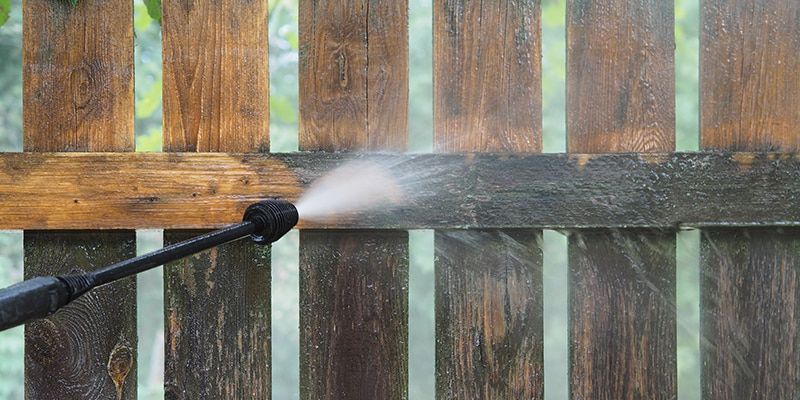
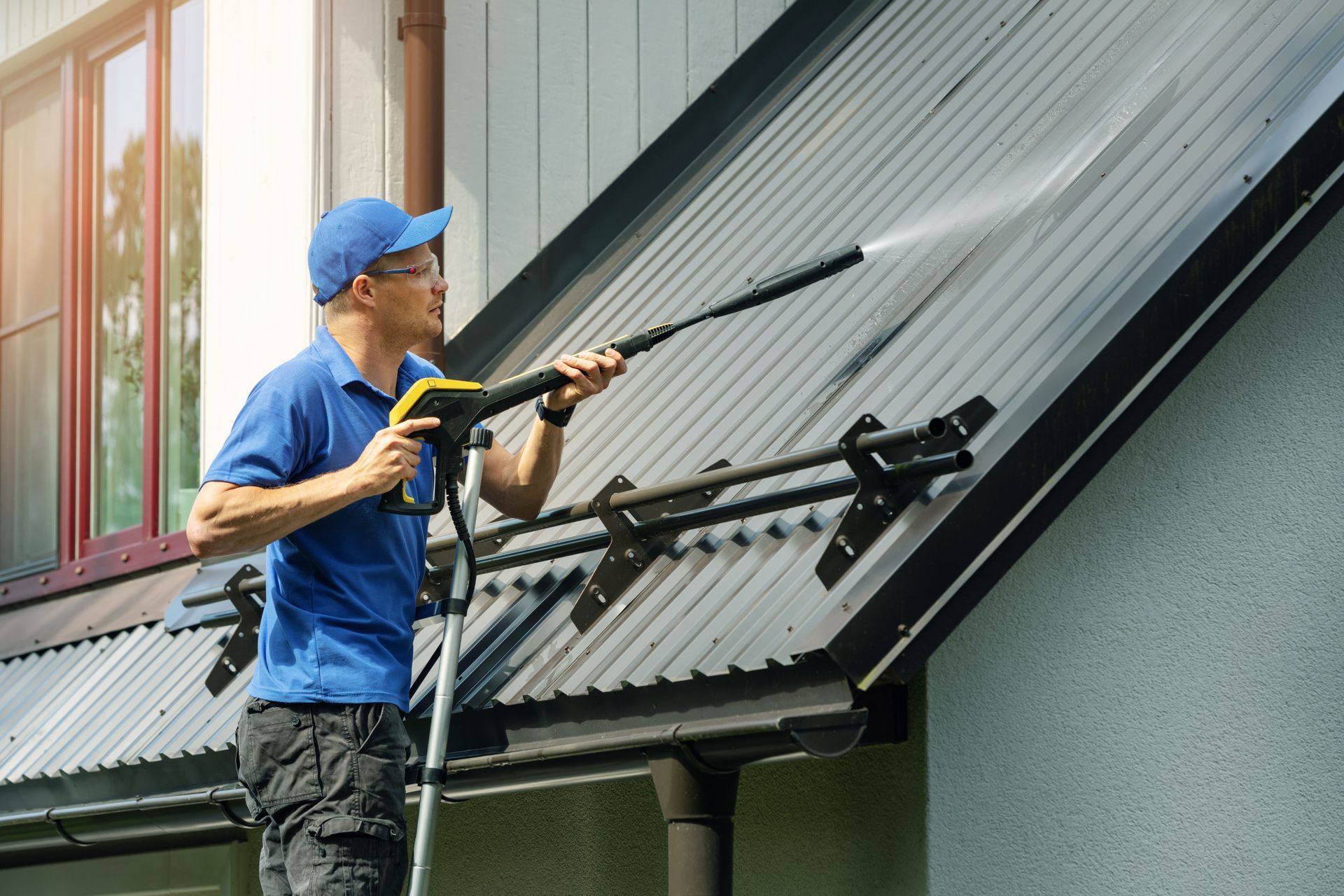
The surfaces that genuinely need soft washing rather than pressure washing are the ones that either can't handle high pressure without damage or that have biological growth that pressure alone won't resolve. Vinyl siding is the clearest example — it's relatively delicate, can crack or warp under excessive pressure, and in humid or shaded environments typically discolors from algae and mildew rather than from mechanical dirt. Wood siding, painted surfaces, cedar shakes, stucco, and EIFS (the synthetic stucco system on many homes) all fall into this category. Roofing is another major one — asphalt shingles should never be pressure washed, period. High pressure destroys the granule surface that protects the shingle, and doing it once can meaningfully shorten a roof's lifespan. Soft washing is the only appropriate cleaning method for asphalt roofs.
The pressure washing vs soft washing distinction also matters for how long the results last. A pressure-washed surface that had algae growth may look clean immediately but can show regrowth in weeks or months because the biological organisms weren't killed — they were physically removed from the surface while their roots or spores remained. A properly soft-washed surface that was treated with an effective biocidal solution typically stays clean significantly longer, often one to three years depending on conditions, because the growth was killed rather than displaced.
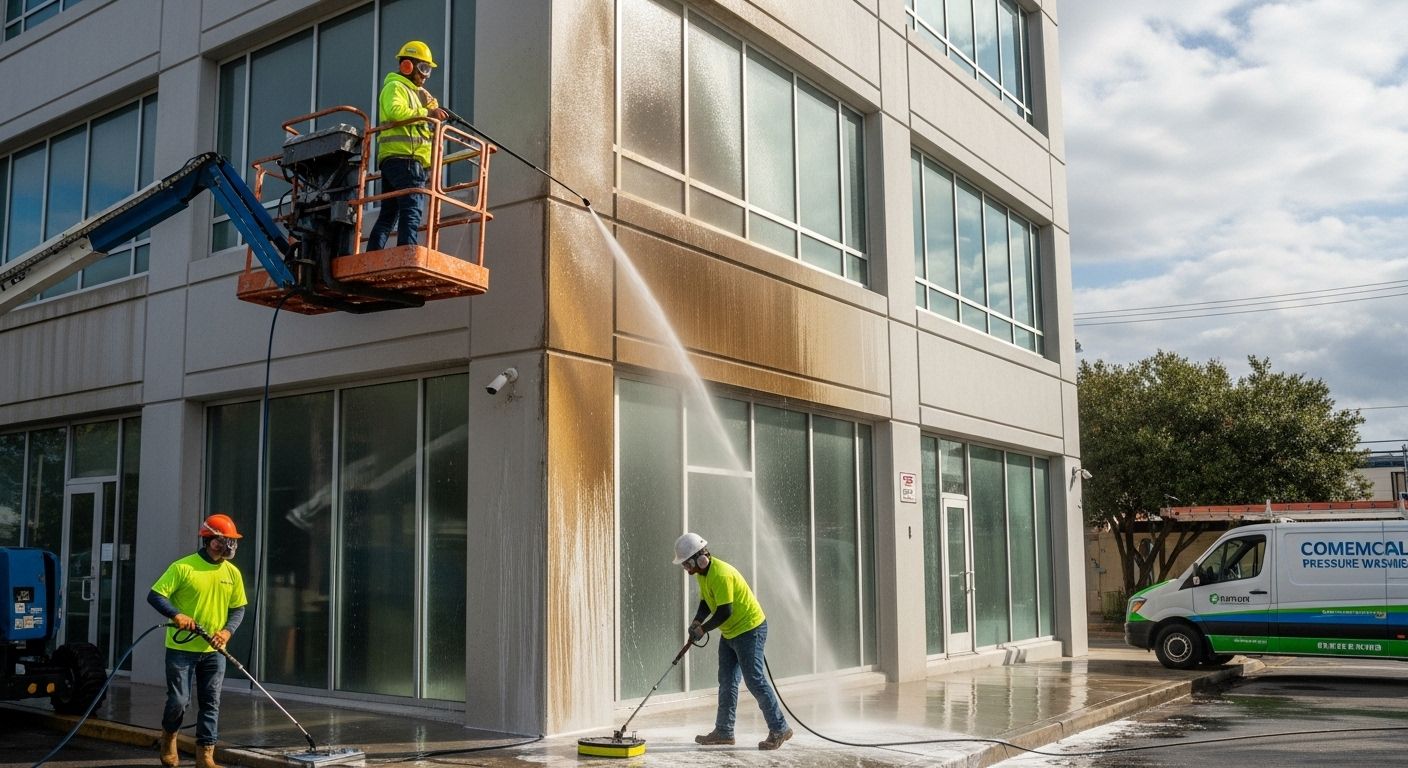
What most professional exterior cleaning companies actually do is use both approaches on the same job, deploying each where it's appropriate. A house wash might involve soft washing the vinyl siding, wood trim, and painted surfaces while pressure washing the concrete driveway and walkways in the same visit. The equipment differs — soft washing systems either use lower-pressure pumps or restrict the pressure at the nozzle — but a well-equipped contractor carries both capabilities and uses them intelligently based on the surface.
If you're hiring someone for exterior cleaning and they propose pressure washing your vinyl siding or your roof, that's a meaningful red flag. Not because pressure washing is bad, but because it's the wrong tool for those surfaces, and a contractor who doesn't know that or doesn't care is going to damage your home in the process of cleaning it. Ask specifically how they plan to clean each surface and what pressure settings they use.
Satisfied Clients


The pressure washing vs soft washing question ultimately comes down to surface and soil type. Hard, durable surfaces with mechanical dirt — concrete, brick, stone — pressure wash well. Softer surfaces and biological growth — siding, roofs, wood — need the chemistry-first approach of soft washing to get clean without damage and to stay that way. The right contractor uses both without you having to ask.
Cambridge Pressure Washing Near Me?
Fall River, MA
Newton, MA
Lawrence, MA
Somerville, MA
Framingham, MA
Haverhill, MA
Malden, MA
Salem, MA