Here's the thing about oil — it doesn't just sit on the surface. It penetrates into the pores of concrete or asphalt, sometimes within minutes of a spill. The longer it's been there, the deeper it's gone. A fresh drip from a leaky car is a very different problem than a stain that's been baking in the sun for two summers. Pressure alone won't pull oil back out of the material. What pressure washing does really well is blast away the loosened, surface-level residue — but you have to break the bond first.
Can You Actually Get Oil Stains Off Your Driveway? Here's What Works
Oil stains are one of those things that seem permanent the moment they happen. You notice the dark spot, maybe try hosing it down, and watch the water bead right off. That's because oil and water famously don't mix — which means a standard garden hose isn't going to cut it. But the question most people ask is whether pressure washing can remove oil stains from a driveway, and the honest answer is: it depends on what you do before you turn the machine on.
Pressure Washing vs. Soft Washing: Which One Does Your House Actually Need?
Get a Free Quote
Contact Us
Cambridge Pressure Wash
The prep work is the actual job. Before you drag out the pressure washer, you want to degrease the stain. A good automotive degreaser or a purpose-made concrete cleaner (something alkaline — it's what chemically reacts with oil) applied directly to the stain and left to dwell for 10–20 minutes will do the heavy lifting. For older stains, you might need to scrub it in with a stiff brush and let it sit longer, maybe even repeat the application. Some people swear by dish soap — it does work in a pinch, since it's designed to cut grease — but a proper degreaser is going to outperform it on anything serious.
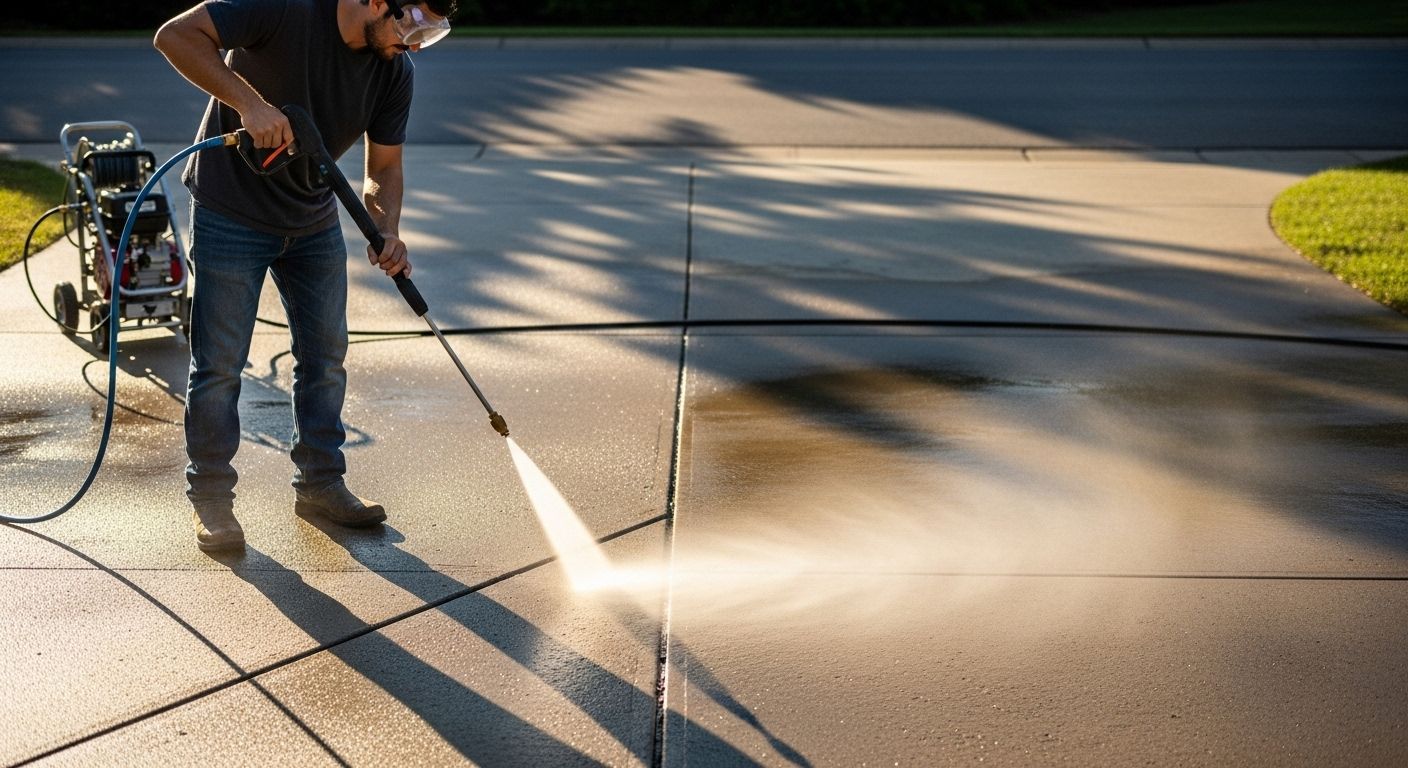
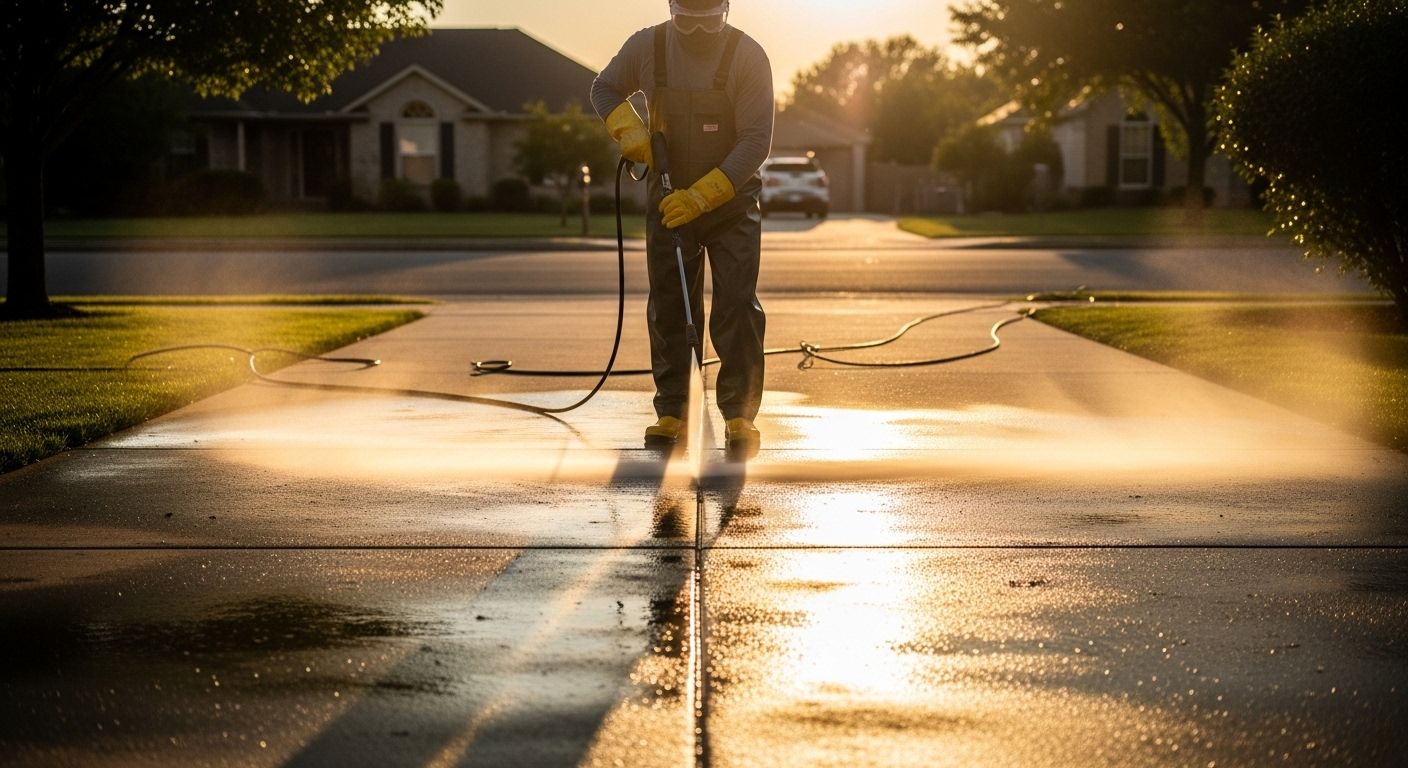
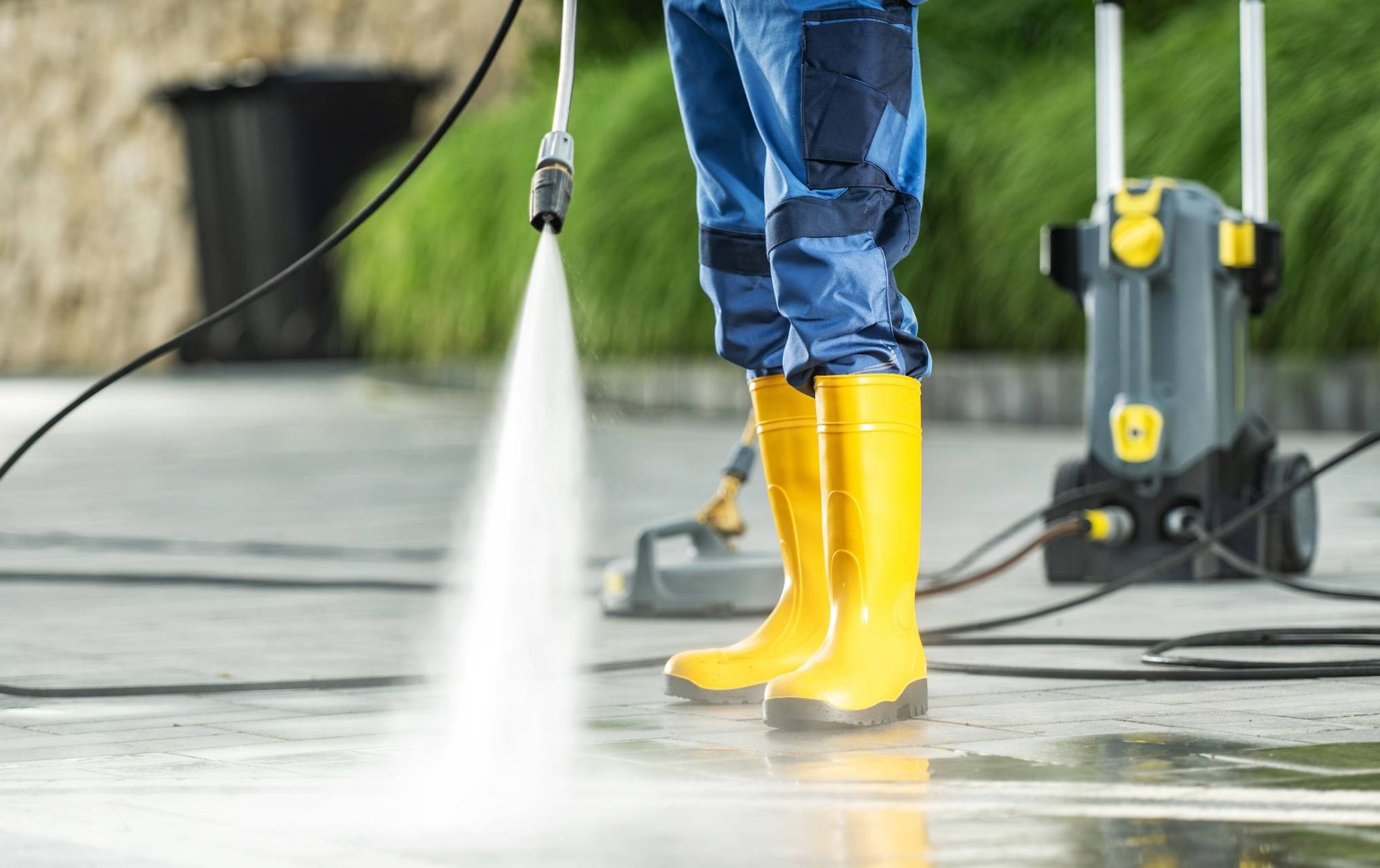
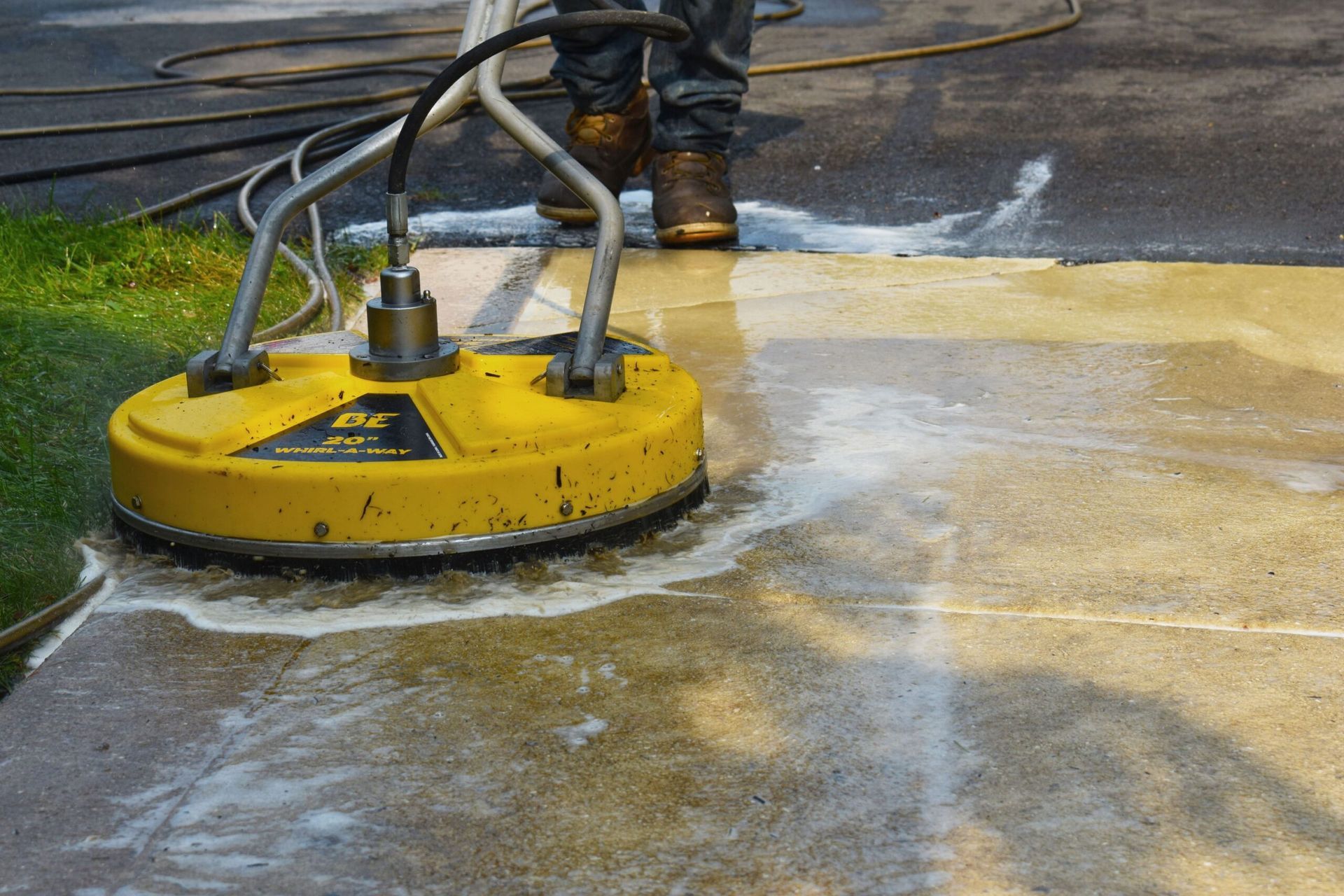
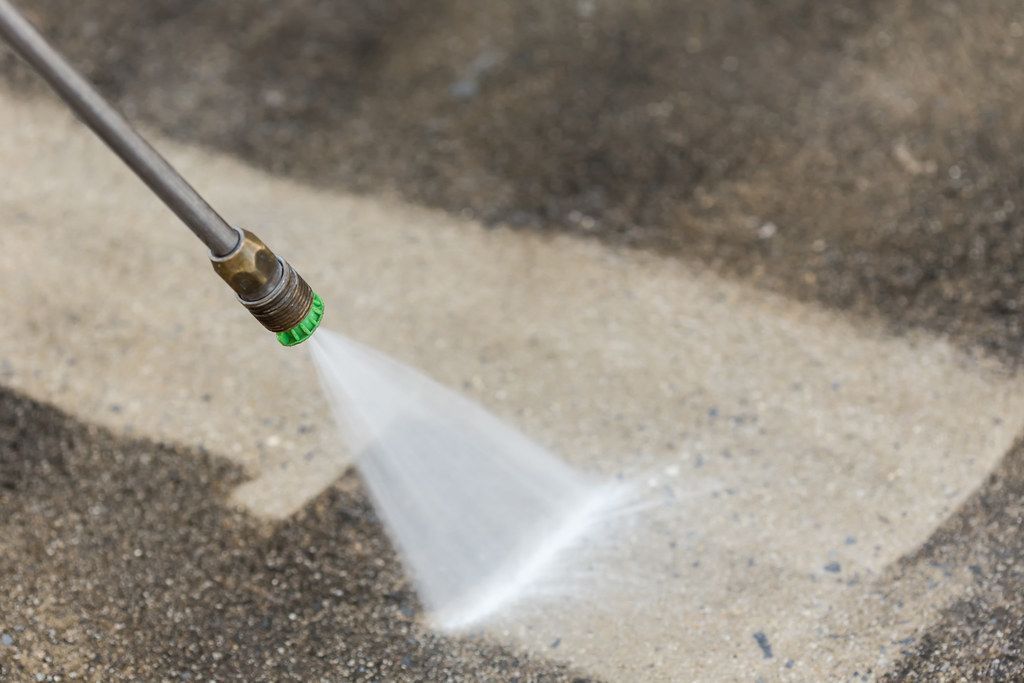
Once the degreaser has had time to work, that's when pressure washing to remove oil stains from the driveway actually earns its place in the process. Use a surface cleaner attachment if you have one — it distributes the water pressure evenly and prevents the streaky "tiger stripe" patterns you get from a wand. If you're using a wand, keep the nozzle moving in consistent overlapping passes rather than blasting one spot. A 25-degree nozzle is a good starting point for concrete; 15-degree if the stain is stubborn. Keep the head about 6–8 inches from the surface for maximum effectiveness without damaging the concrete.
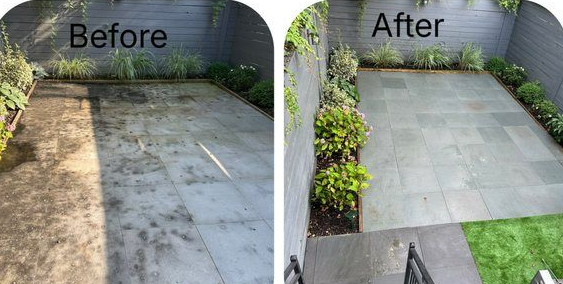
For most fresh-to-moderate stains, one round of degrease-plus-pressure will get you most of the way there. You might not reach 100% invisible, especially on light-colored concrete, but you'll get a dramatic improvement. If the stain is old and deep, plan on doing this two or three times. Let the surface dry fully between sessions so you can actually see how much progress you're making.
A few things that genuinely help with the tougher cases: trisodium phosphate (TSP) mixed with water is a powerful cleaning agent for deep concrete stains, though it requires gloves and eye protection and you'll want to keep it away from plants and landscaping. Poultice products — which are powder-based cleaners that you mix into a paste, spread over the stain, let dry, and then peel off — work well for old, set-in oil because they pull the oil out as they dry rather than just washing it away. They're slower and more involved, but for a stain that's been there for years, they're often more effective than repeated pressure washing alone.
One thing worth knowing: asphalt is more forgiving than concrete when it comes to oil stains, partly because it's already dark and partially because the material itself is petroleum-based — oil stains blend in more. Concrete, especially light or unsealed concrete, is where people get frustrated. If you have unsealed concrete and a car that leaks, applying a penetrating concrete sealer after cleaning is one of the best moves you can make. It closes up those surface pores and makes future spills much easier to clean before they set.
The bottom line is that pressure washing can absolutely remove oil stains from a driveway, but it's the second step, not the first. Skip the degreaser and you're mostly just rearranging the problem. Do it in the right order — break down the oil chemically, then blast away the residue — and you'll be surprised how much of that stain disappears.
Satisfied Clients


Cambridge Pressure Washing Near Me?
Fall River, MA
Newton, MA
Lawrence, MA
Somerville, MA
Framingham, MA
Haverhill, MA
Malden, MA
Salem, MA