Concrete and driveways — this is where you can open it up
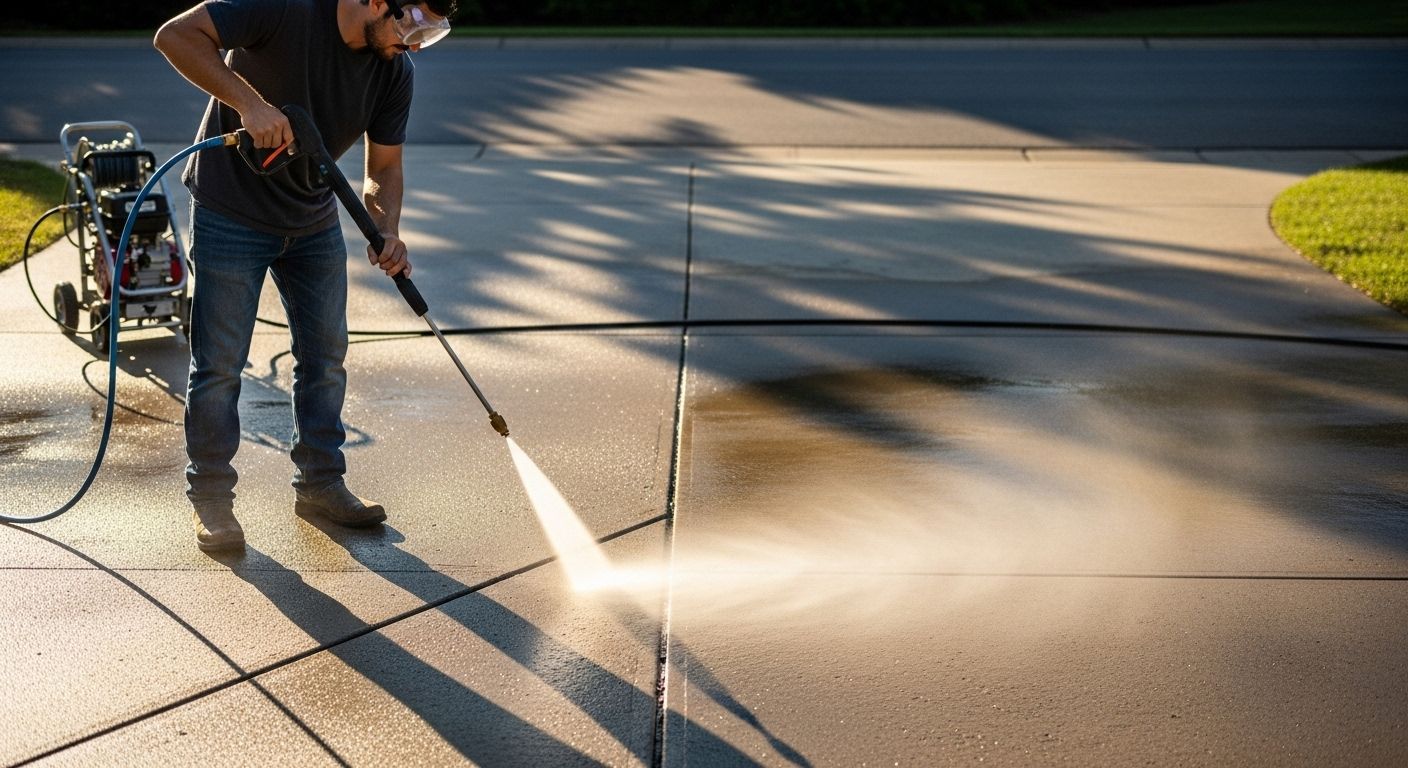
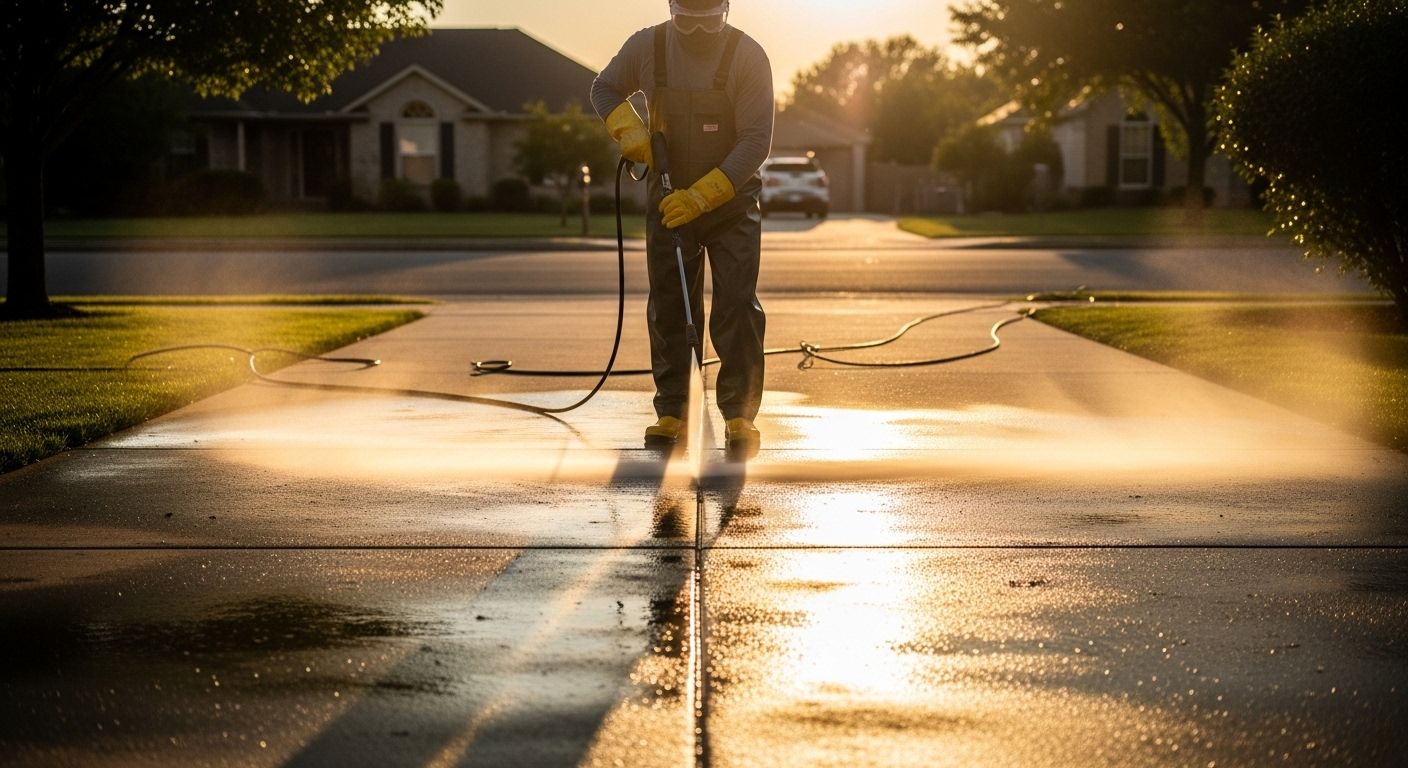
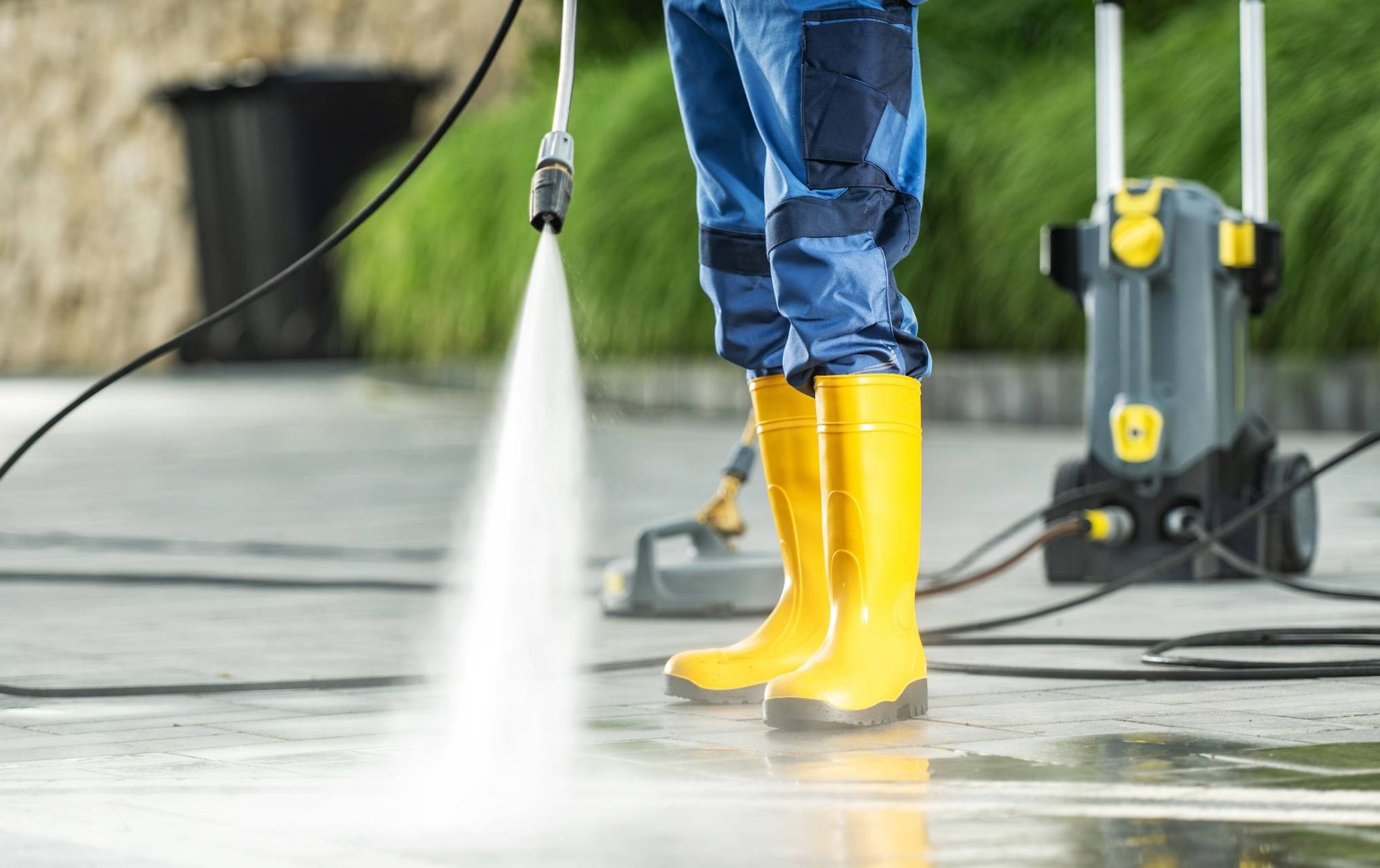
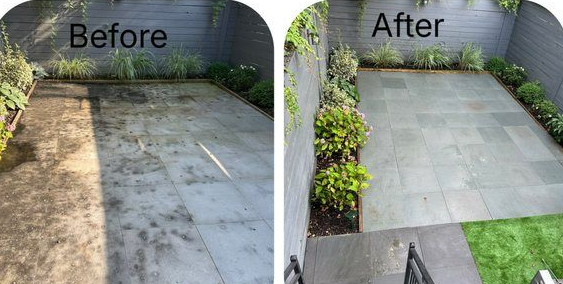
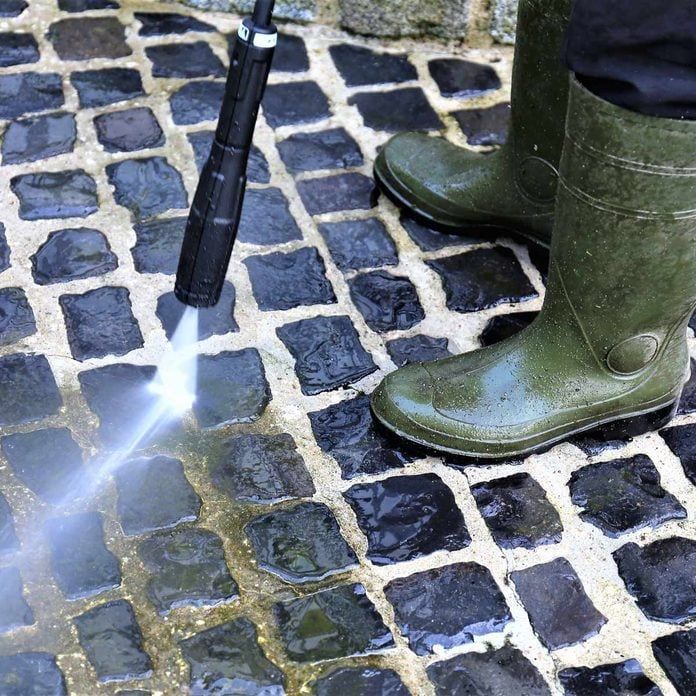
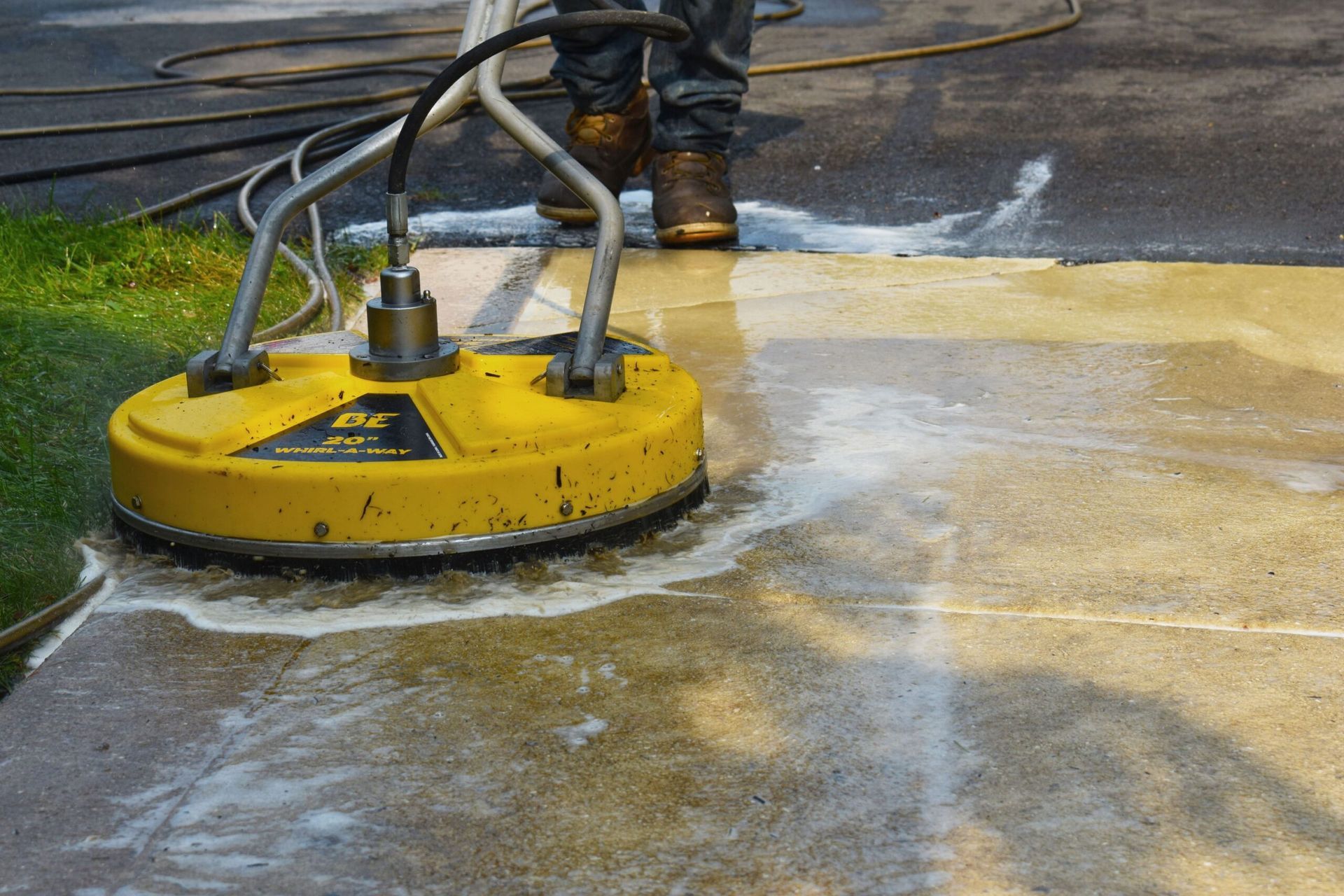
Concrete is tough and handles higher pressure well. For driveways, sidewalks, and patios, anywhere from 2,500 to 3,000 PSI is appropriate and effective at removing oil stains, grime, and years of built-up dirt. A surface cleaner attachment — the spinning disc kind — makes a huge difference on large concrete areas, giving you even coverage without the streaking you get from a standard wand. Brick and paving stones are slightly more forgiving than concrete but still benefit from staying in the 1,500 to 2,000 PSI range to avoid dislodging mortar or joint sand.
Vehicles and boats — treat them gently
If you're rinsing down a car, truck, or boat hull, keep it between 1,200 and 1,900 PSI and use a wide-angle tip. Pressure washing vehicles at high PSI can chip paint, damage trim, and force water into seals and electrical components. For boats especially, you'll want to be mindful of any gel coat surfaces — they look tough but are surprisingly easy to etch or dull with aggressive pressure.
House siding — it depends on the material
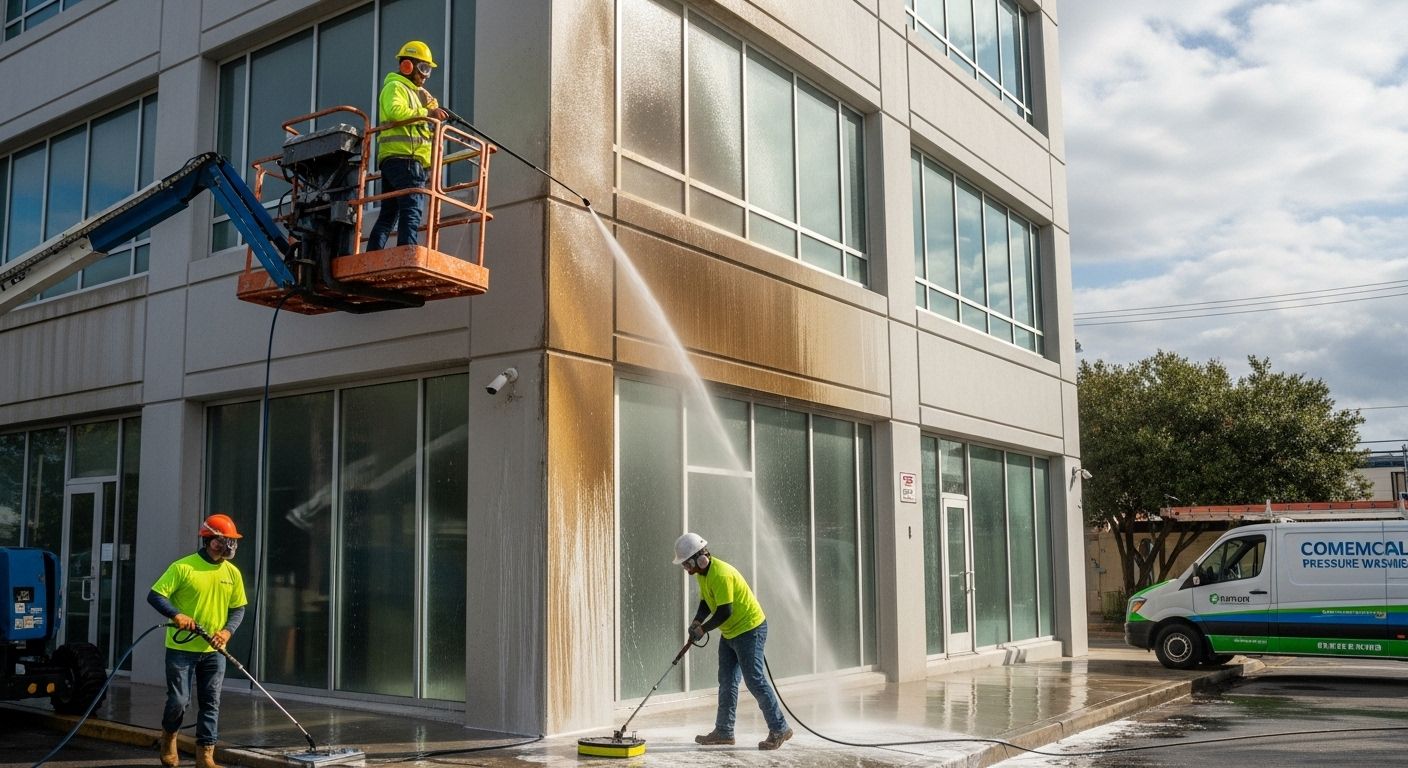
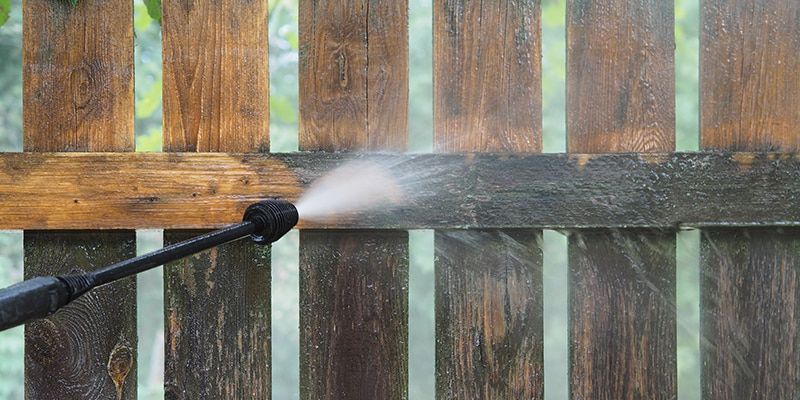
Vinyl siding handles 1,300 to 1,600 PSI reasonably well as long as you're spraying downward and not driving water up underneath the panels. Spray upward into the gaps and you'll push moisture behind the siding, which leads to mold and rot — the opposite of what you wanted. Brick and stucco exteriors can take a bit more pressure, around 1,500 to 2,000 PSI, but stucco especially can crack or pit if you're too aggressive or hold the nozzle too close. Painted surfaces of any kind should be approached cautiously — around 1,000 to 1,500 PSI — since high pressure will strip paint faster than any chemical stripper.
Roofs and gutters — usually less is more
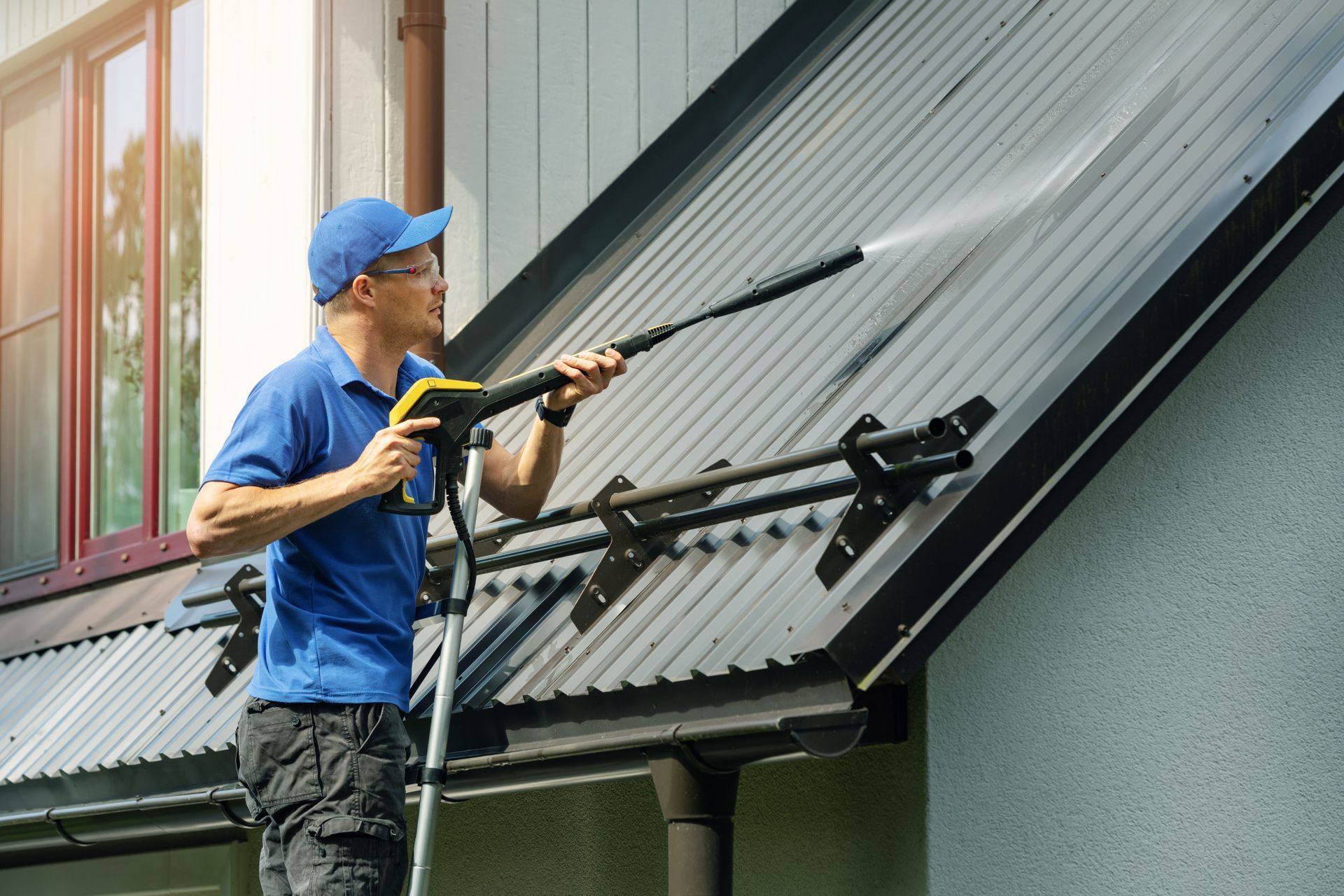
Roof cleaning is one area where most professionals actually recommend low-pressure or soft wash methods over high PSI entirely. Asphalt shingles can be damaged, granules stripped, and warranties voided by aggressive pressure washing. Stay under 1,000 PSI for roof surfaces and let the cleaning solution do the heavy lifting instead of brute force.
A few things that make a bigger difference than PSI alone
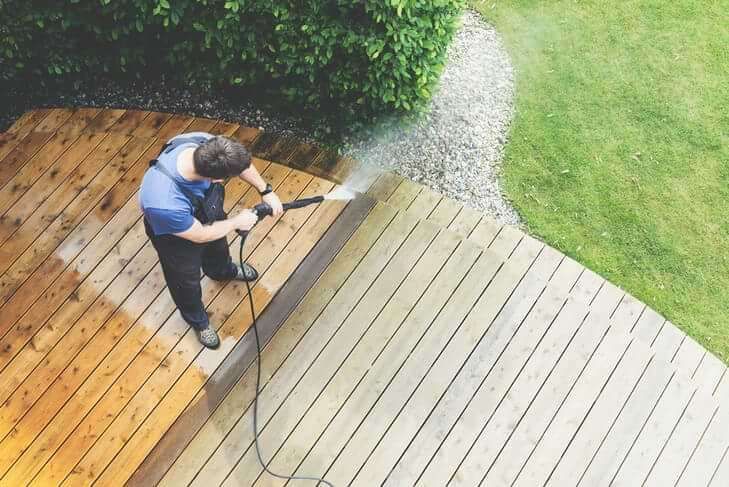
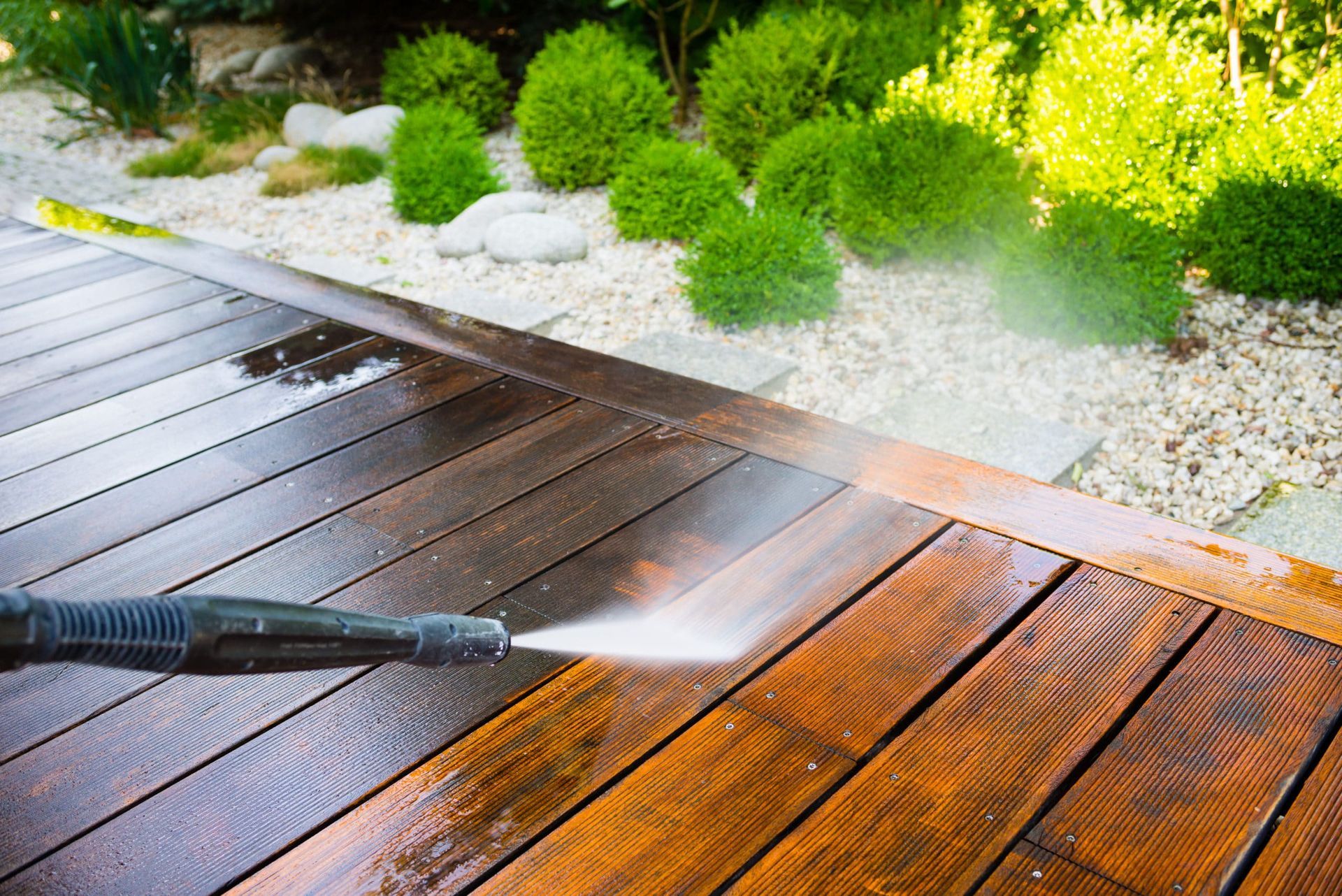
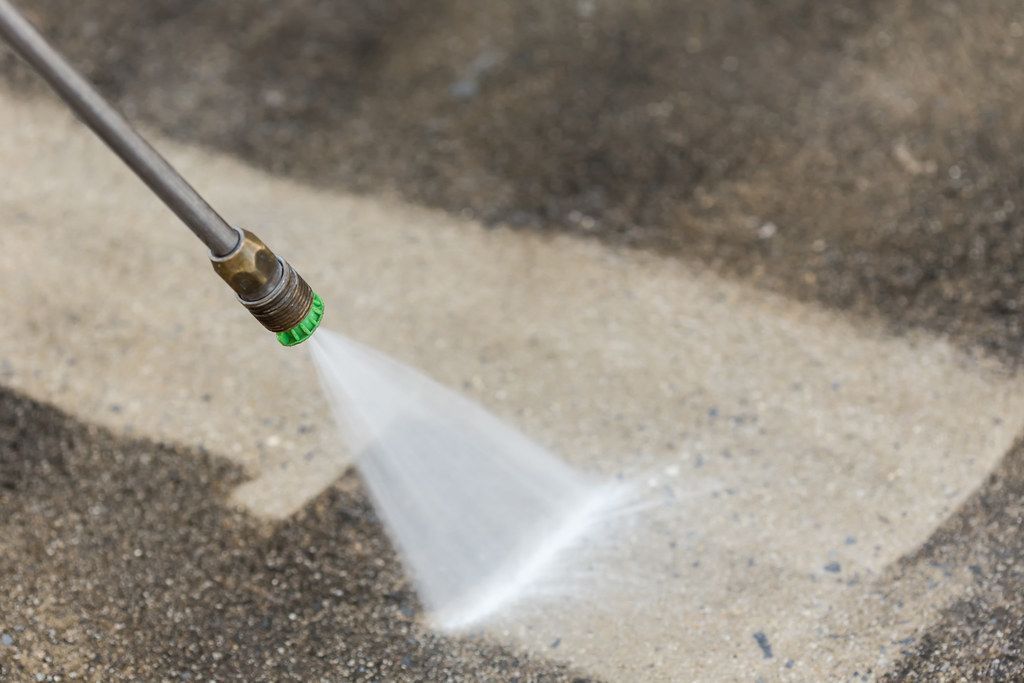
The nozzle angle matters as much as pressure. A zero-degree nozzle concentrates all that force into a pinpoint — useful for blasting a specific stubborn stain, dangerous for general cleaning. A 40-degree nozzle disperses pressure and is safer for most surfaces. Distance from the surface also changes the effective PSI dramatically — moving six inches closer can double the impact force. And pre-treating surfaces with appropriate detergents before you pressure wash often means you need less PSI overall to get the same result.
When you're trying to figure out what PSI for pressure washing different surfaces makes sense for a specific job, the safest approach is always to start lower and work up. Test an inconspicuous area first. Give it thirty seconds and see how the surface responds before committing to the whole job. A little patience at the start beats an expensive repair at the end.